Technical Insight
Wear resistance determines how long a floor lasts under real-world loads from forklifts, AGVs and heavy traffic. But "super wear-resistant" isn't a regulated term — here we walk through the science and our own test results.
In workshops with high-frequency AGVs and warehouses where forklifts move back and forth constantly, a floor's wear resistance is put under serious strain — it directly affects service life and maintenance cost. That's exactly why "super wear-resistant" has become a popular label in the materials market. But what does it actually mean? This article walks through the fundamentals of wear resistance and shows how "super wear-resistant" can actually be determined.
The Basics
Wear resistance is a material's ability to withstand mechanical wear. When a surface comes into contact with and moves against another object — through friction, scratching or impact — material is gradually lost or deformation occurs, eventually resulting in visible damage.
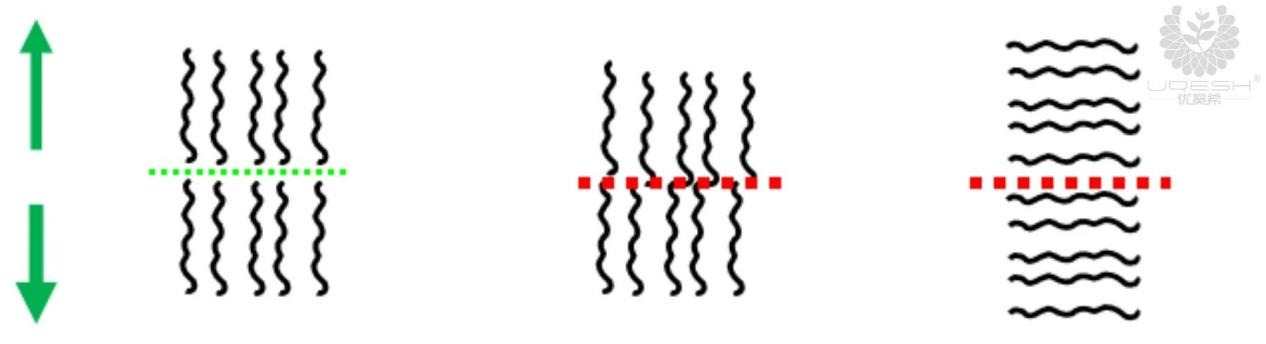
Macro level: Wear shows up directly as material loss and surface deformation.
Atomic level: Atoms can be "captured" from one surface by the opposing surface on contact.
Molecular level: Polymer failure means the chemical bonds within molecules and the van der Waals forces/hydrogen bonds between molecules break down.
A material with high wear resistance keeps its surface shape and performance stable over long-term use, without easily wearing down or breaking apart.
Animated explainer: what actually determines wear resistance at the molecular level.
Standard vs. Marketing
To highlight their products' wear resistance, many manufacturers have started using the label "super wear-resistant" — but for most, it's a marketing term with no set definition. There's no national standard that formally defines "super wear-resistant" material. So how do you determine whether a material actually lives up to its claims? By looking directly at the measured wear resistance:
Under heavy load and high-frequency wear — AGV traffic, for example — neither GB/T 22374-2018 nor the common standard methods are sufficient. The BCA method uses a wear-test machine where a steel wheel rolls in a circular path around a test disc, simulating the wear steel wheels cause in curves and turns — one of the most severe types of wear a floor experiences in practice. To answer customer questions about UQESH's own flooring systems, we therefore developed a more direct, real-world comparison test (similar to the BCA method, but under even higher load) — and let the results speak for themselves.
Watch the Test
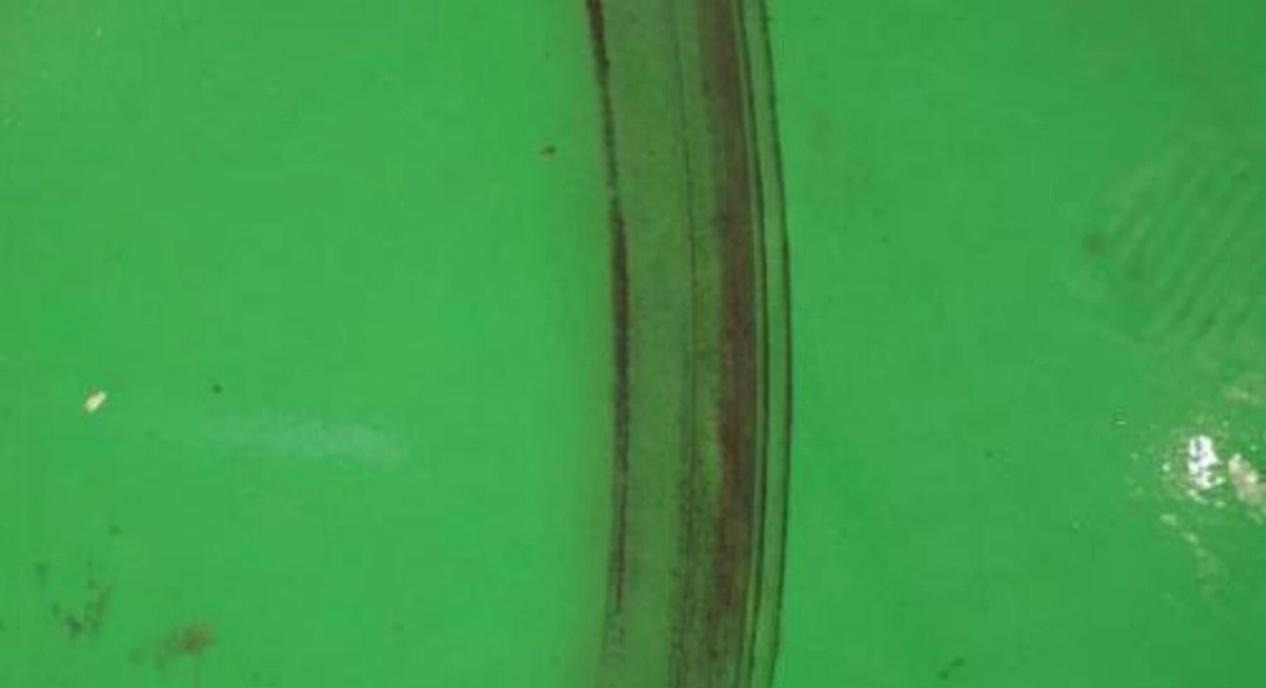
Real test surface after repeated rolling load — wheel tracks are clearly visible across the different test fields.
Our Own Test
Four common floor coatings were tested side by side under identical conditions.
Test subjects: common acrylic-, epoxy- and polyurethane-based wear-resistant topcoats on the market.
Test period: 80 days, 32,000 passes.
Test equipment: electric forklift – 0.7 ton unladen weight, 2.3 ton load, 1.5 min/lap, 10 hours of operation per day, 400 passes per day.
Layer structure: base and intermediate layers of UQESH's waterborne polyurethane mortar and self-leveling layer, with four different topcoats applied on top: acrylic, epoxy, one-component polyurethane and two-component polyurethane (UQESH).
| Topcoat | Wear Pattern After Test | Wear Resistance |
|---|---|---|
| Acrylic-based | Heavily worn, the surface layer in the trafficked area essentially worn through, overall floor damaged | Worst – cannot preserve floor integrity |
| Epoxy-based | Heavy wear with clear, deep tracks, parts of the surface worn through exposing the layer beneath | Poor – unsatisfactory wear resistance |
| One-component polyurethane | Clear wear tracks, parts of the surface worn through | Moderate – difficult to maintain performance over time |
| Two-component polyurethane (UQESH) | Only dark grey wear marks remain after testing, not worn through | Best – effectively preserves surface integrity and function |
Ranked by wear resistance: two-component polyurethane (UQESH) > one-component (moisture-cured) polyurethane ≫ epoxy, acrylic.
After 32,000 passes, only dark grey wear marks are visible on the surface — the coating is not worn through and retains its density and protective function.
Additional Data
After 24 hours and 7 days, UQESH's waterborne polyurethane system exceeds both the requirement level and common repair mortars.
| Time | GB/T 22374-2018 (JJ type) flexural strength requirement | Common repair mortar | UQESH waterborne polyurethane system |
|---|---|---|---|
| 24H | ≥ 5 MPa | ~5 MPa | 18 MPa |
| 7D | ≥ 10 MPa | ~5 MPa | 18 MPa |
Whether a floor is truly wear-resistant can't be determined by name alone — it requires scientific grounding and test data. Backed by well-founded chemistry and data, UQESH's waterborne polyurethane coating has a real wear-resistance advantage over common "super wear-resistant" epoxy and acrylic materials.
In the Real World
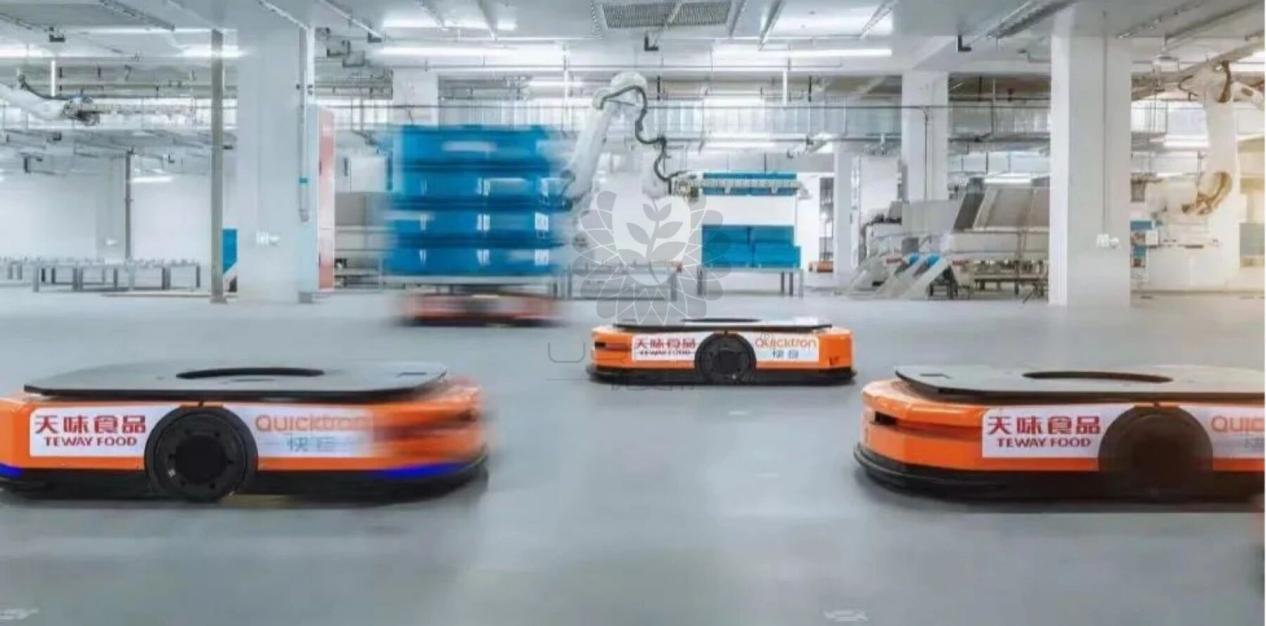
At food companies like Teway Food, UQESH's waterborne polyurethane coating keeps the floor in good condition year after year, despite continuous high-tempo AGV traffic.
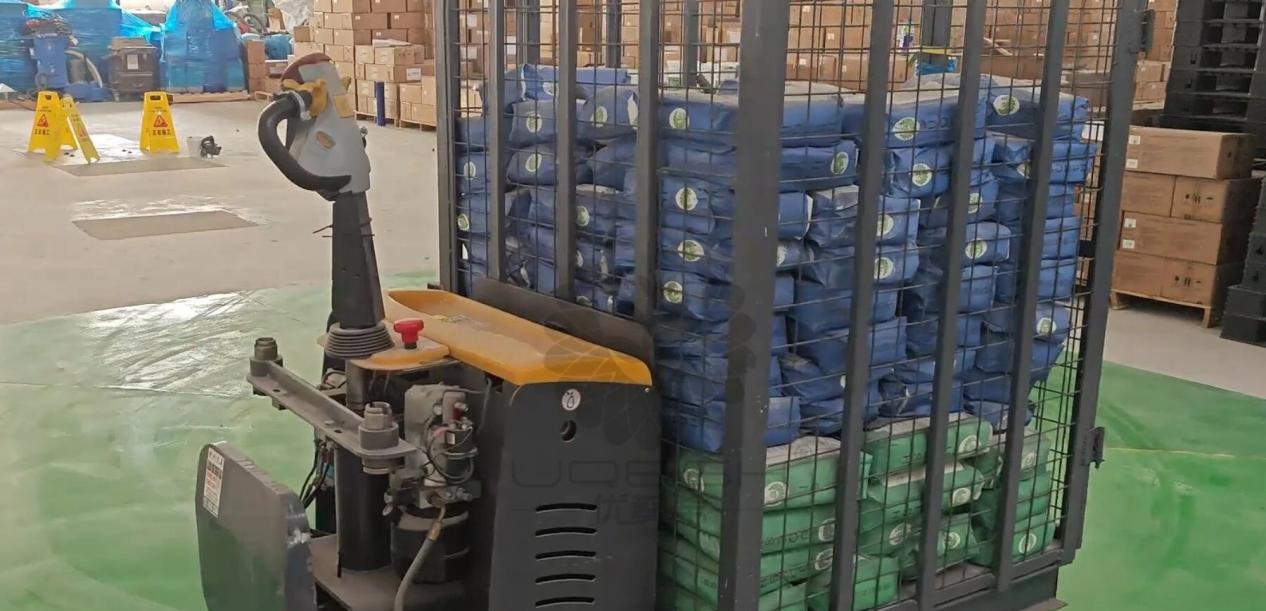
In heavy-load environments, such as Haitian's large-scale facility, UQESH's material withstands pressure and repeated traffic from heavy equipment while retaining its wear resistance for stable, long-term use.
Explore our flooring systems or contact our technical team for an assessment.