Specifying an industrial floor is about more than choosing a hard-wearing material. The right solution has to take into account the building's conditions, the operation's requirements and the actual loads the floor will be exposed to.
At UQESH, we help architects, engineers and other specifiers find the right flooring system based on a project's technical and functional requirements.
We work with seamless polyurethane floors for environments where load, hygiene, chemicals, temperature swings, slip risk or antistatic requirements place high demands on floor performance.
Our products meet, among other things, the following five points:
Europe
Portugal · October 2026
Restaurant
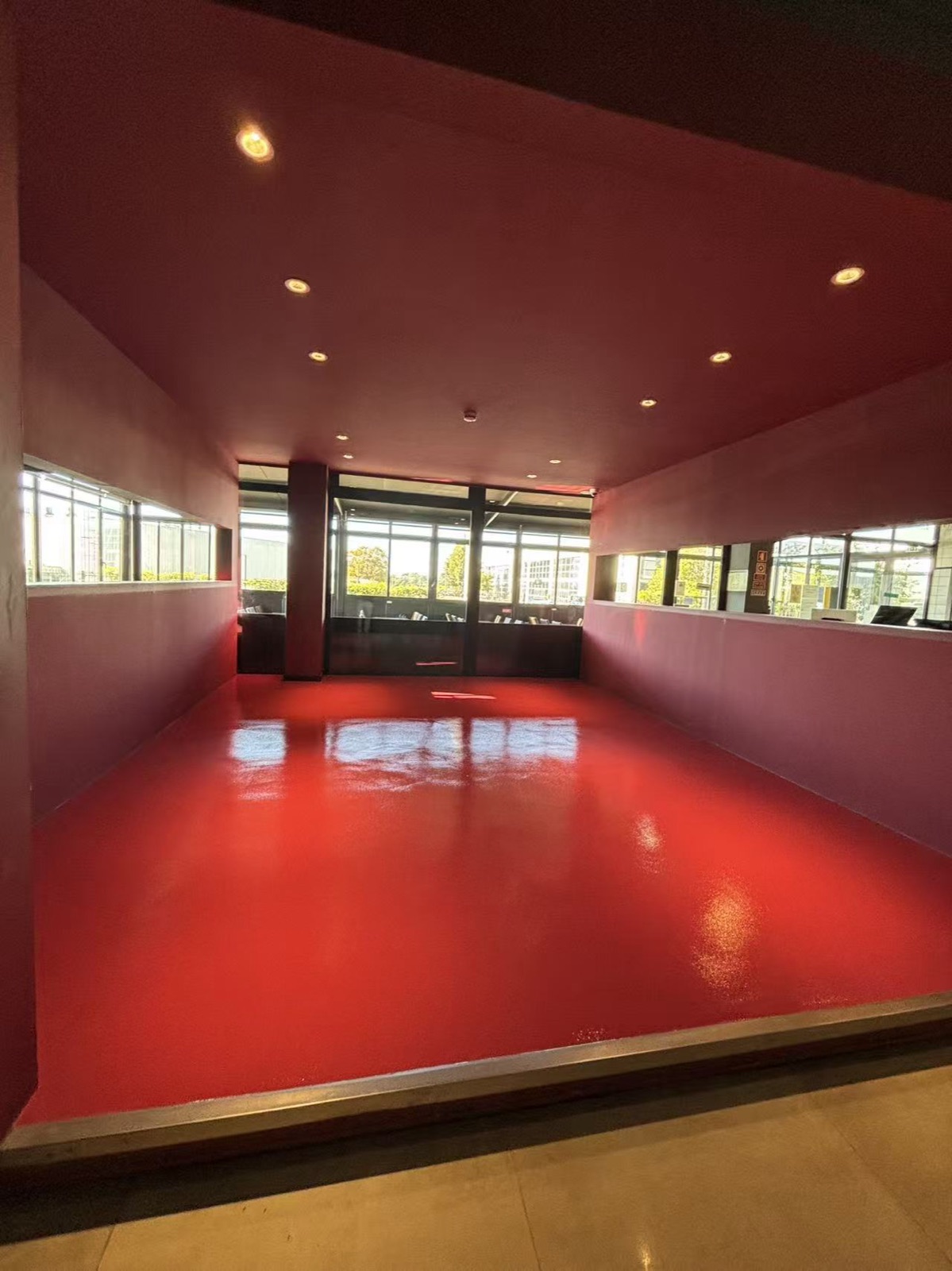
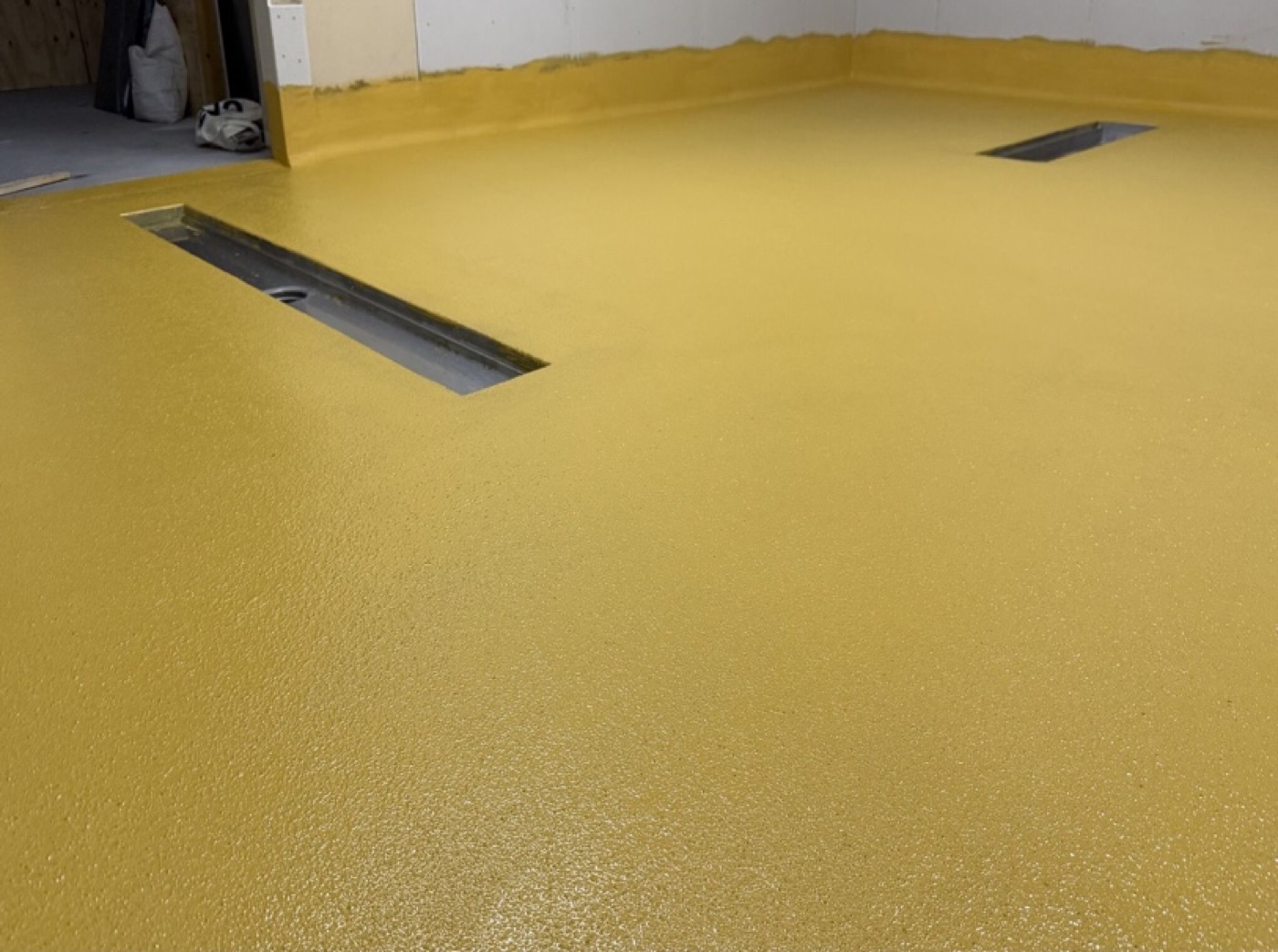
Red, Seamless Restaurant Floor with UV Protection
Sweden · September 2026
Hotel · Commercial Kitchen
The Latest Generation of Commercial-Kitchen Flooring
Sweden · September 2026
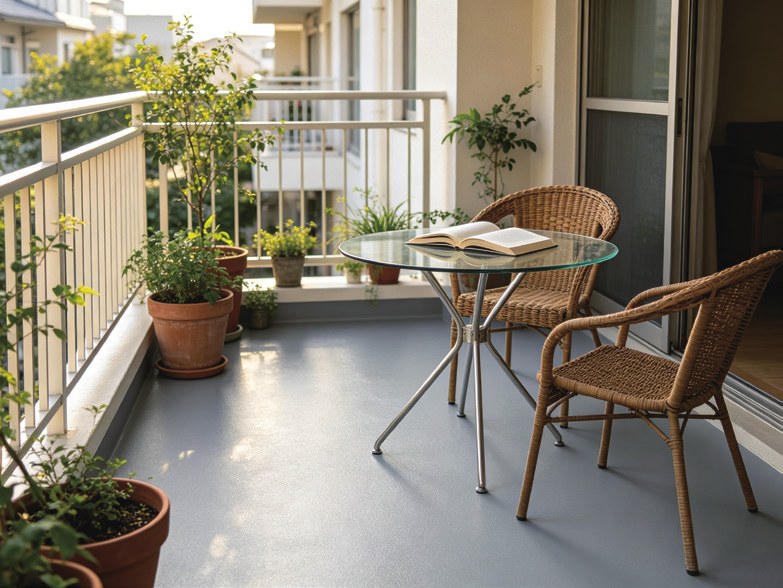
Balconies
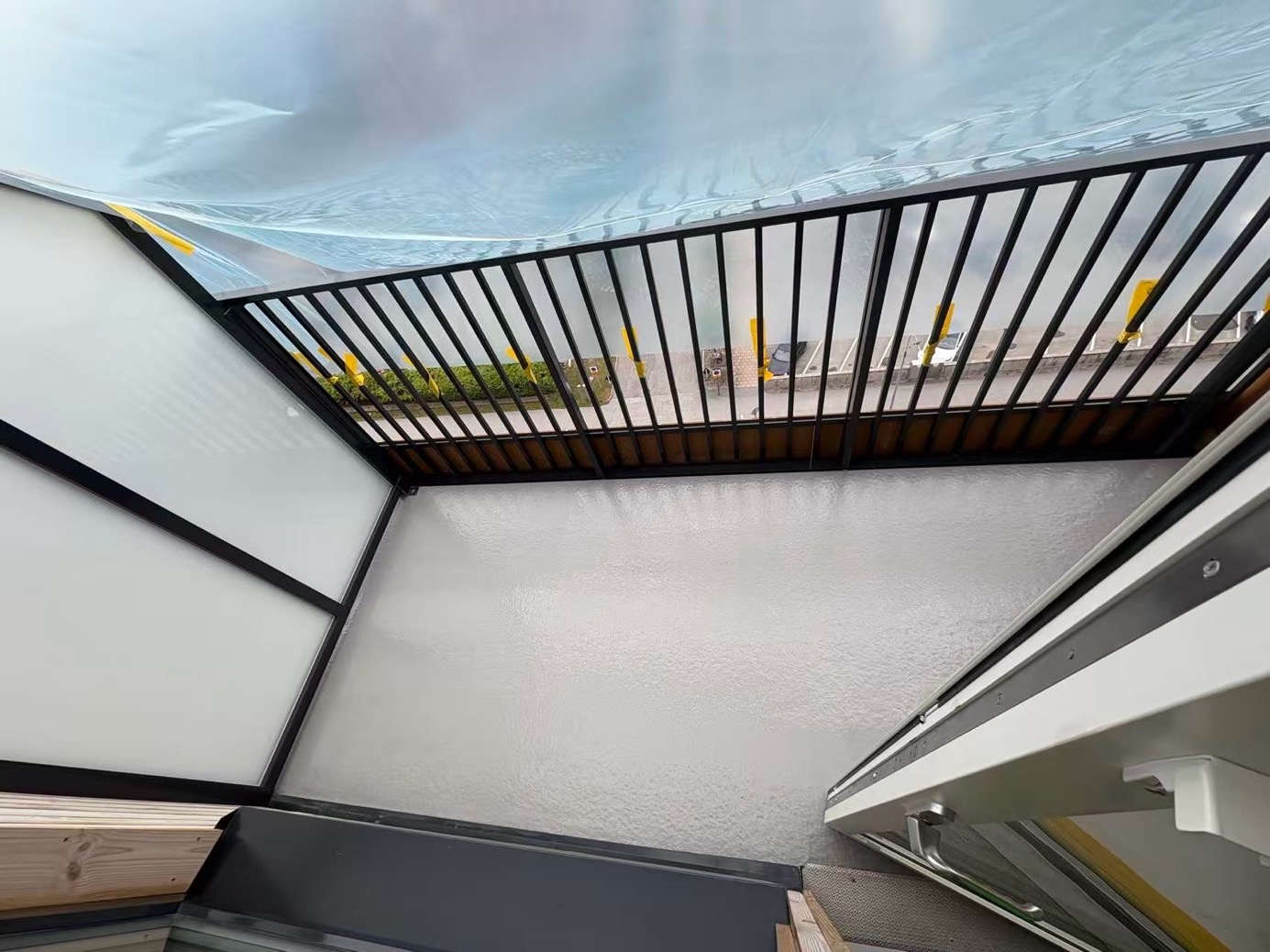
Weather-Resistant Balcony Coating for a New-Build Development
Sweden · August 2026
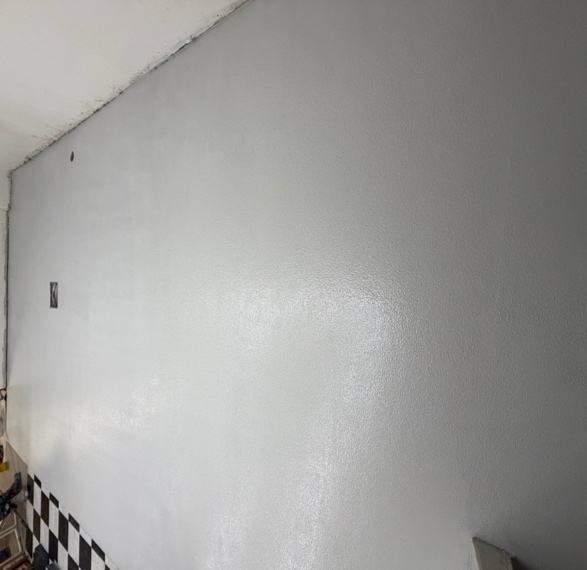
Warehouse
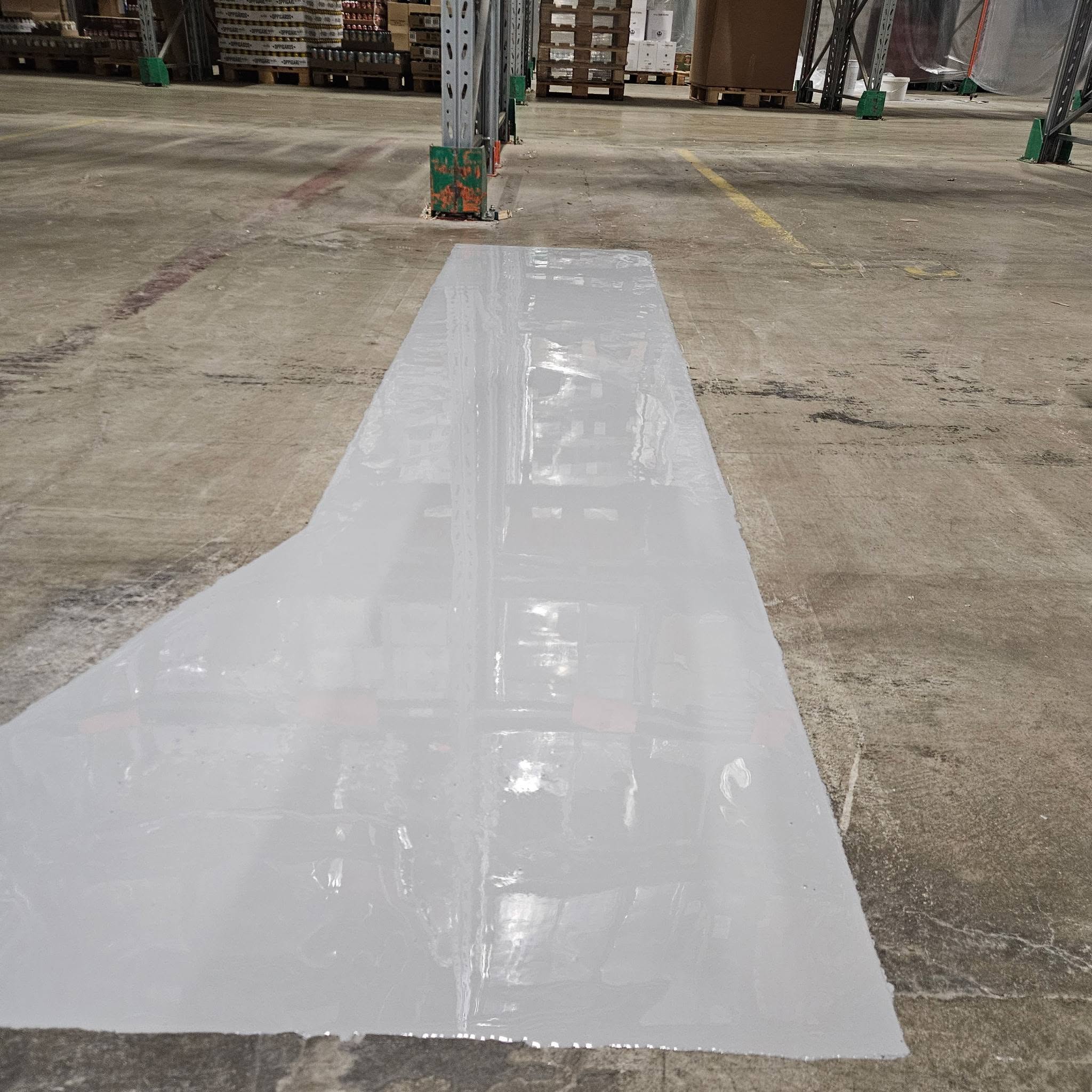
Fast Concrete Repair in an Active Logistics Centre in Eskilstuna
Sweden · July 2026
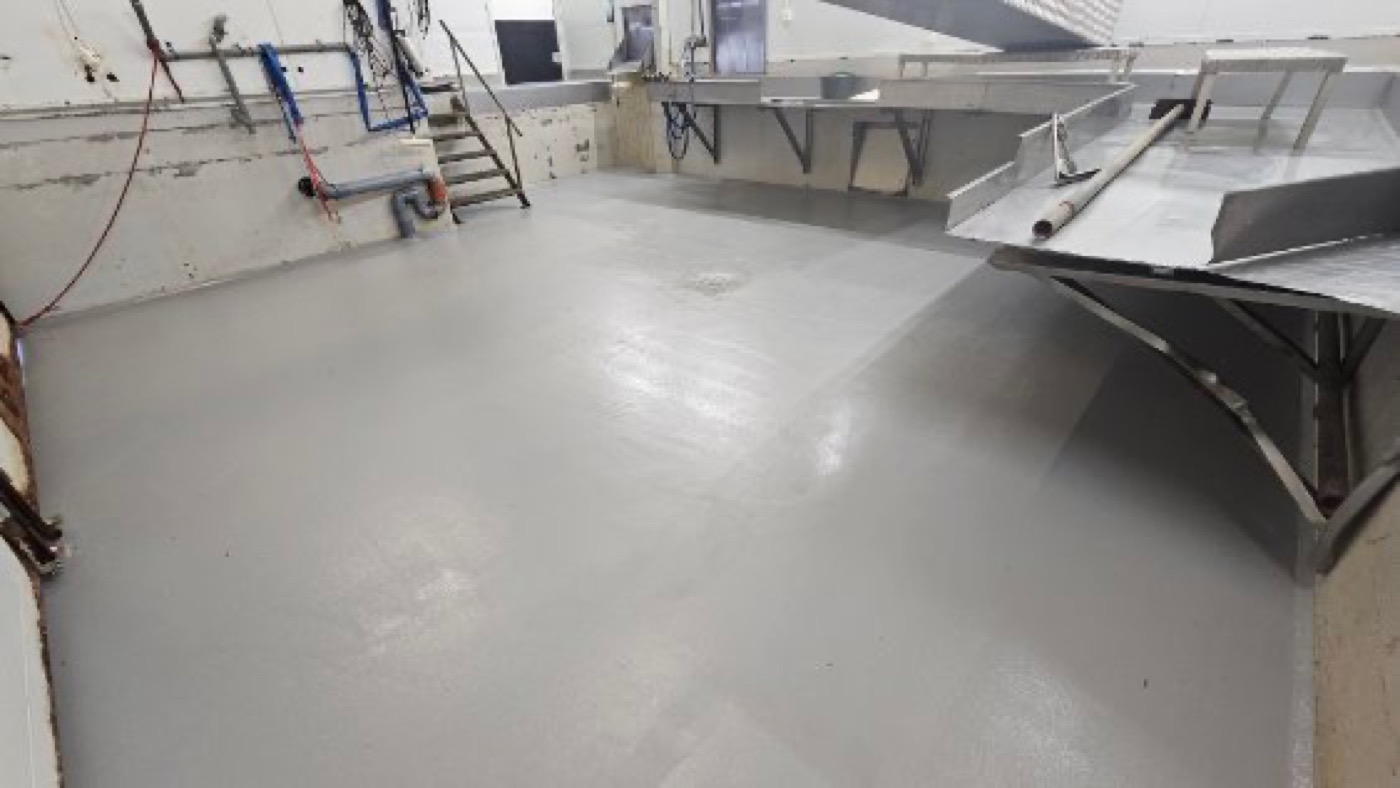
Retail
Odour-Free Floor Installation in a Dishwashing Room
Sweden · July 2026
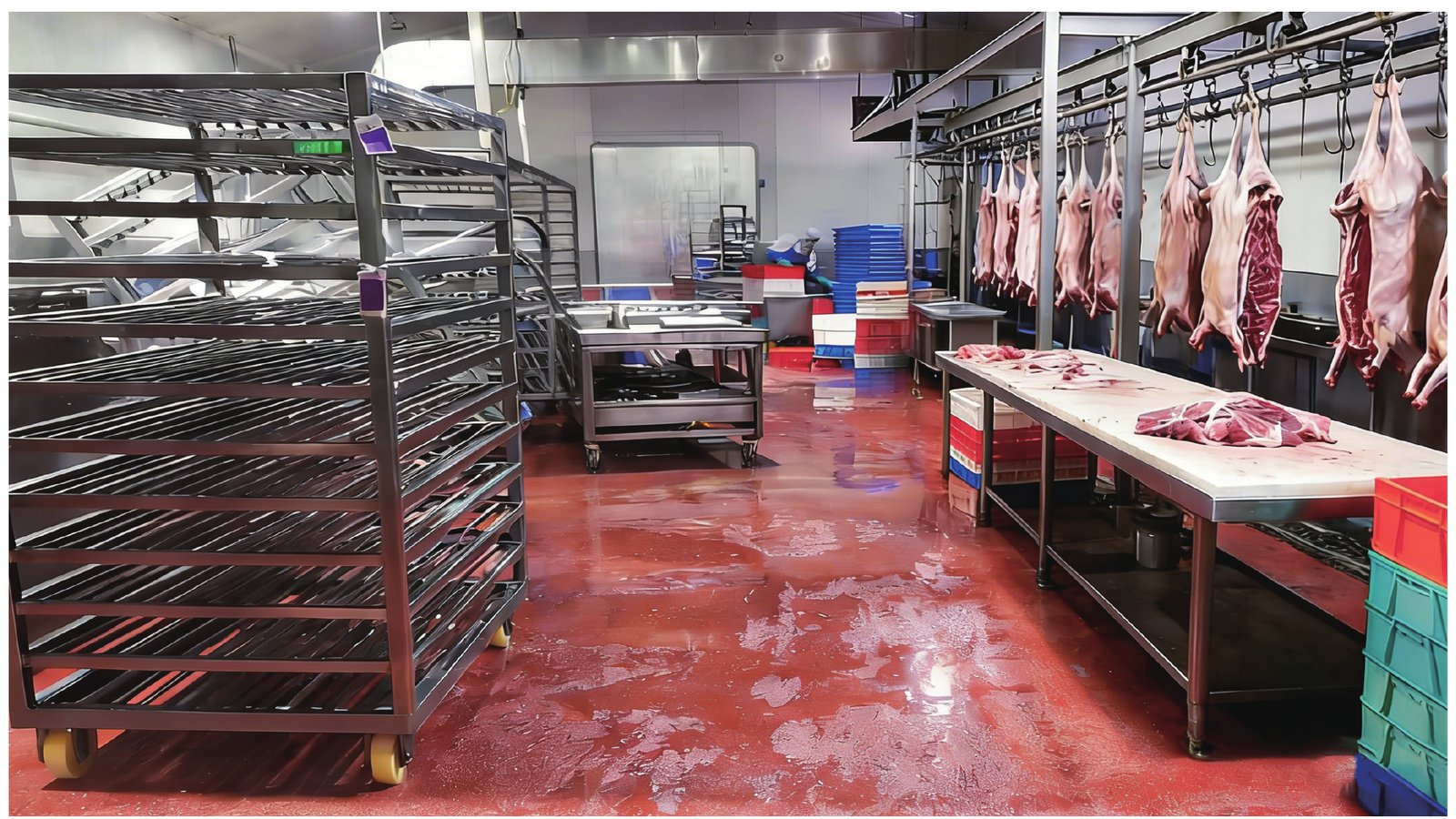
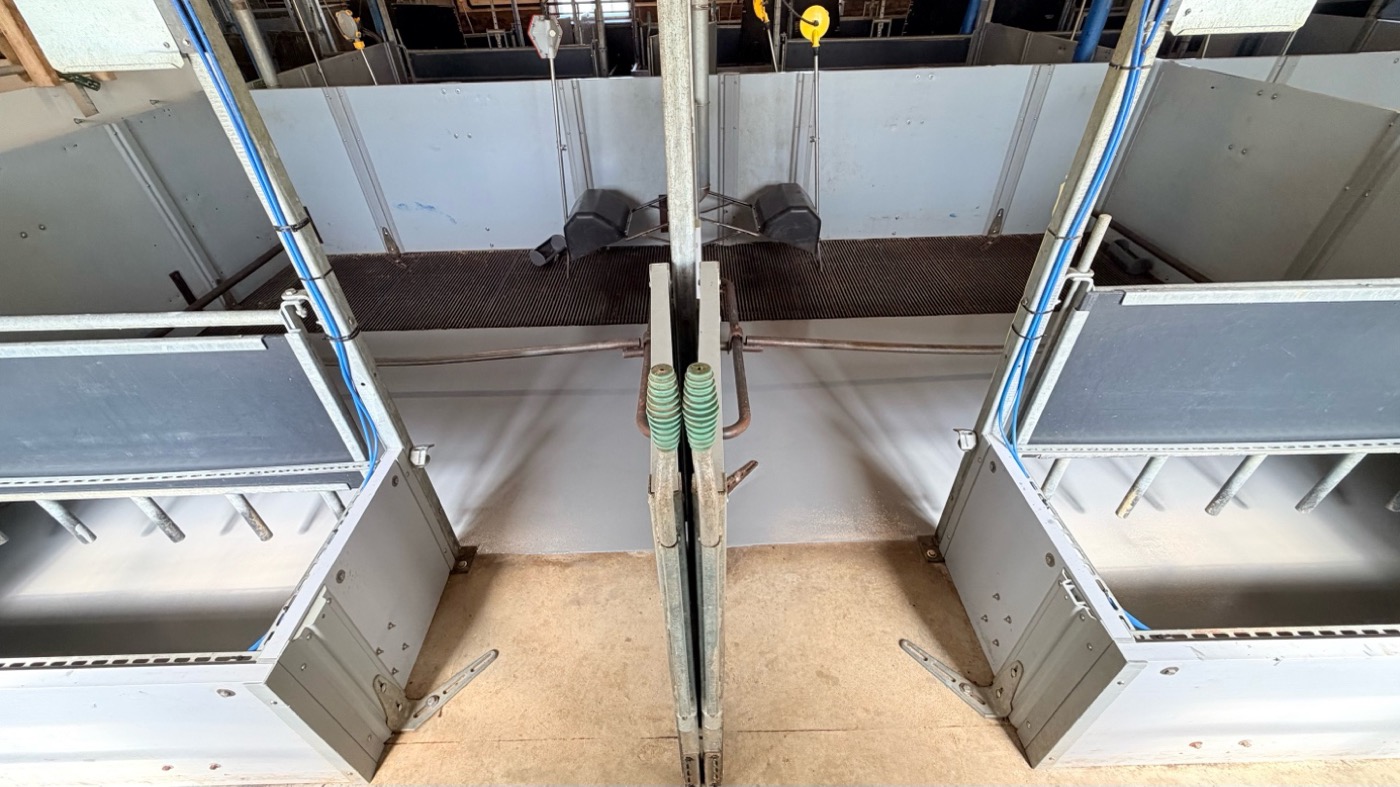
Abattoir
A Seamless Abattoir Floor in Skebobruk
Sweden · July 2026
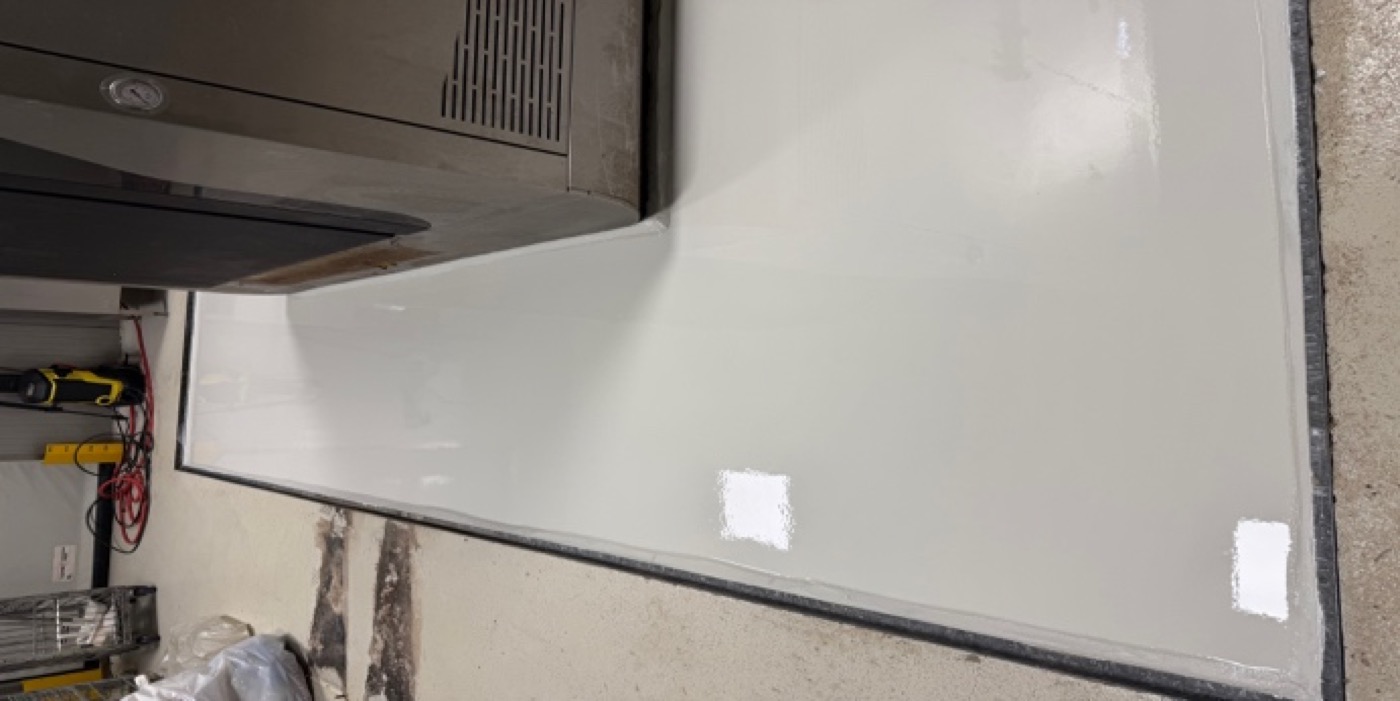
Agriculture
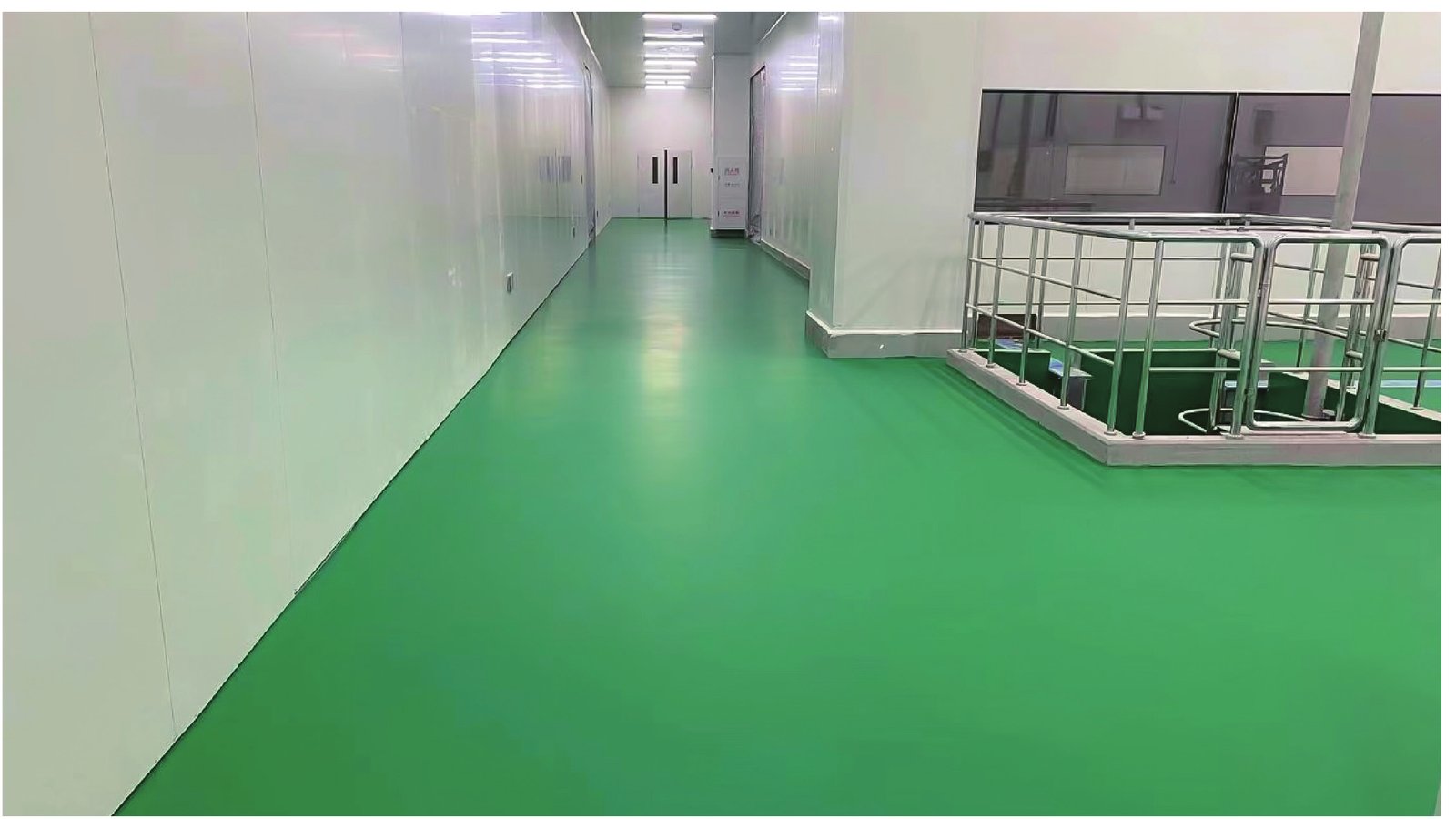
Safer Animal Husbandry in the Pig Barn
Sweden · July 2026
Bakery
Ultra-Clean Bakery Floor Around the Ovens
See all case studiesA floor can look identical on the drawing but be exposed to completely different stresses in practice. When designing, we recommend taking into account, among other things:
Different operations have different requirements. UQESH's systems can be adapted to both environment and load.
Food production places high demands on hygiene, cleaning and resistance to both mechanical and chemical load. The floor may need to withstand:
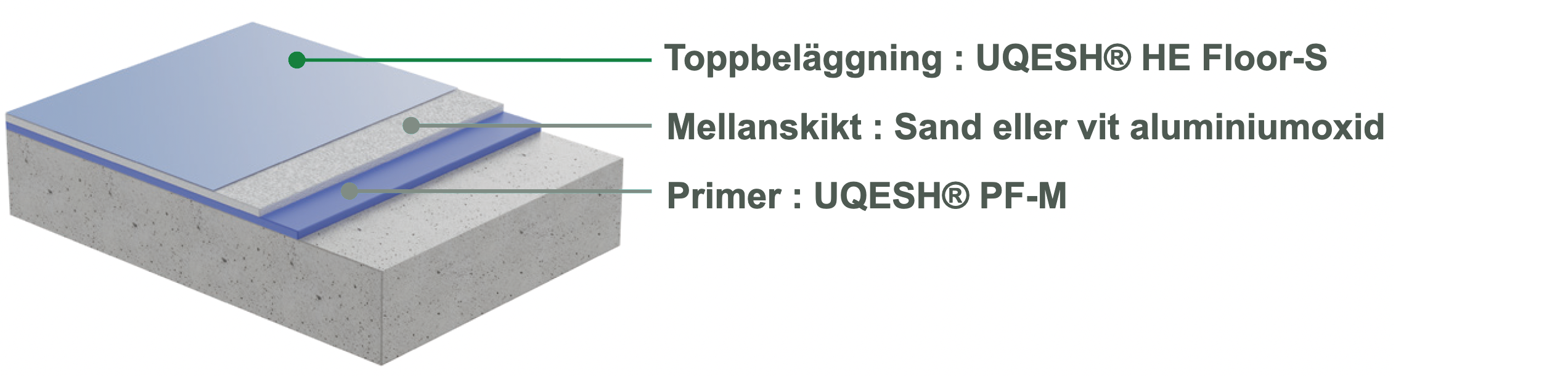
PF, IF and PLUS can, for example, be suitable for these environments depending on load and requirements.
See Customer Cases for the Food Industry
Production environments often require high wear resistance and resistance to heavy traffic, machinery and point loads. Here the flooring system can be dimensioned according to:
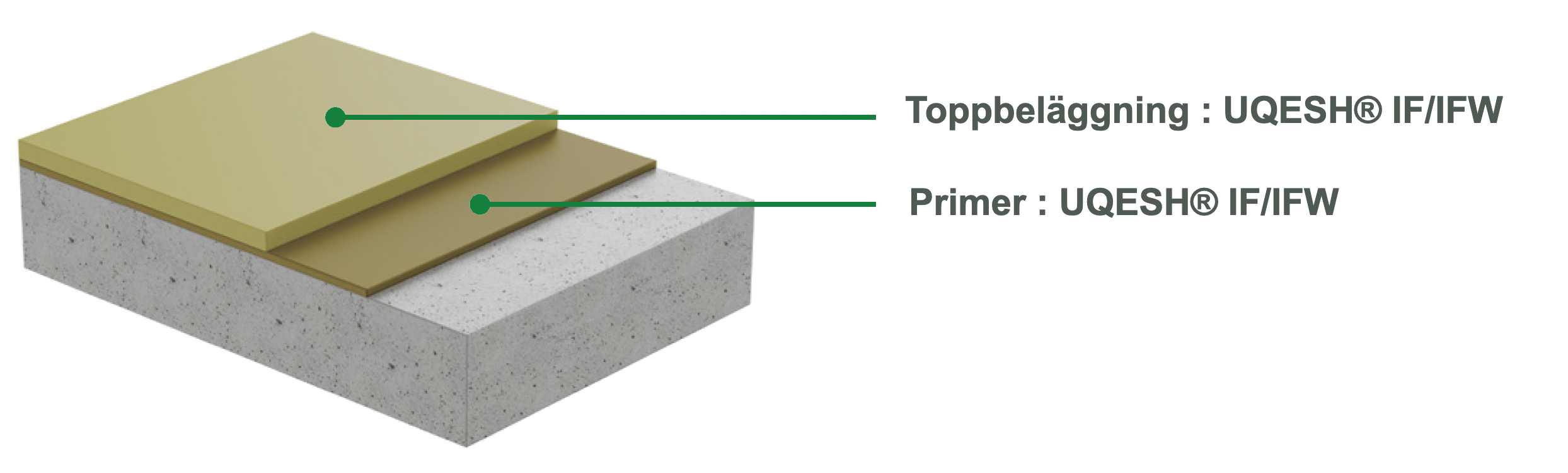
IF is developed for high-load environments, while other systems may be chosen depending on the project's specific requirements.
See Customer Cases for Heavy Industry
In warehousing and logistics environments, the floor is often subject to continuous forklift traffic and high point loads. Key parameters when designing include, among others:
The right system can be combined with different surface textures and colours to create clear, functional work zones.
See Customer Cases for Warehousing and Logistics
Bakeries and other food environments often combine high temperature, water, cleaning chemicals and heavy equipment. Here the floor needs to handle both thermal and mechanical stresses.
For environments with recurring temperature swings and hot-water cleaning, PLUS or other adapted systems may be suitable.
See Customer Cases for Bakery and Food Production
In wet environments, watertightness, cleanability and the right slip protection are important parts of the design. Surface texture can be adapted to the environment and the safety level required.
See Customer Cases for Wet and Hygienic Environments
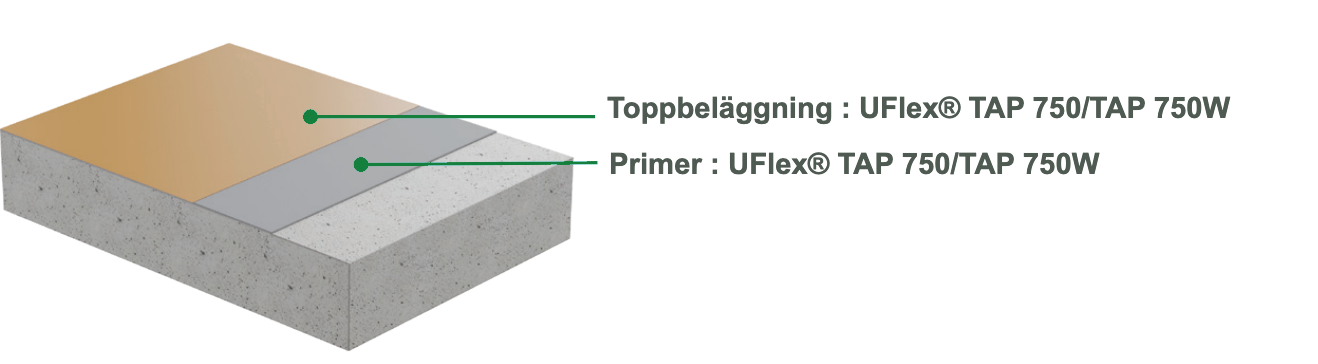
Utility rooms, storage areas and balconies often have simple, untreated concrete and are rarely prioritised during renovation – yet balconies are at the same time exposed to sun and weather over time. When designing, it's important to consider, among other things:
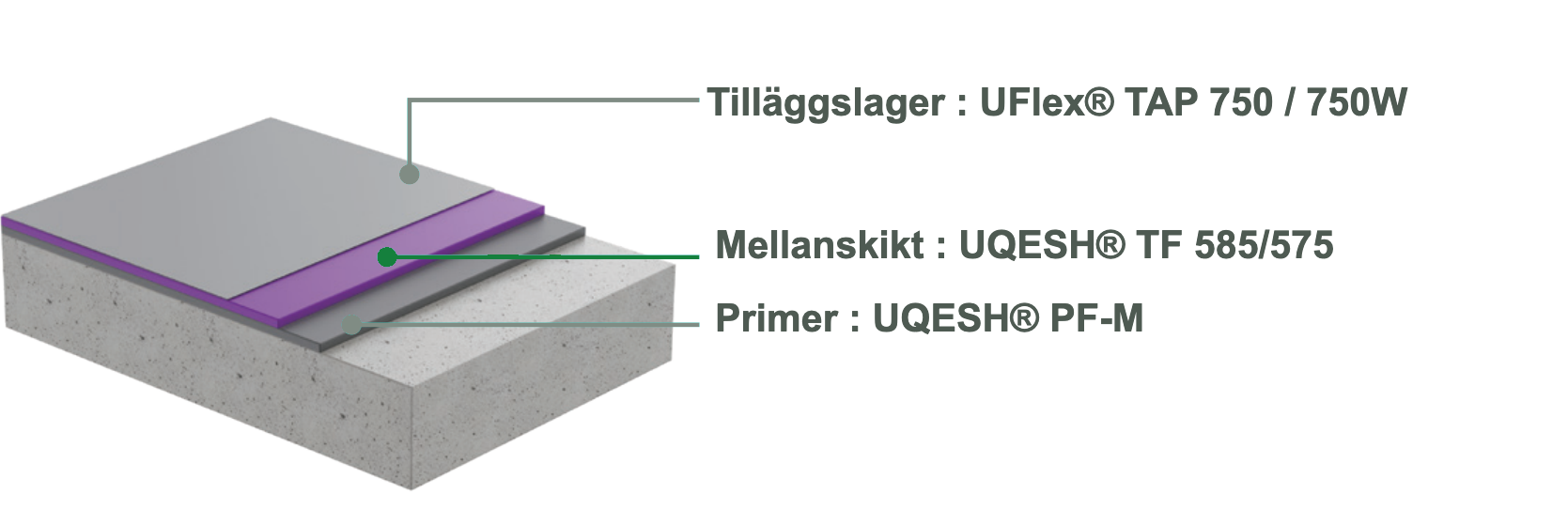
TAP is a thin-layer system developed specifically for this type of space, where a full-scale industrial floor is rarely warranted.
See Customer Cases for Storage, Utility Rooms and Balconies
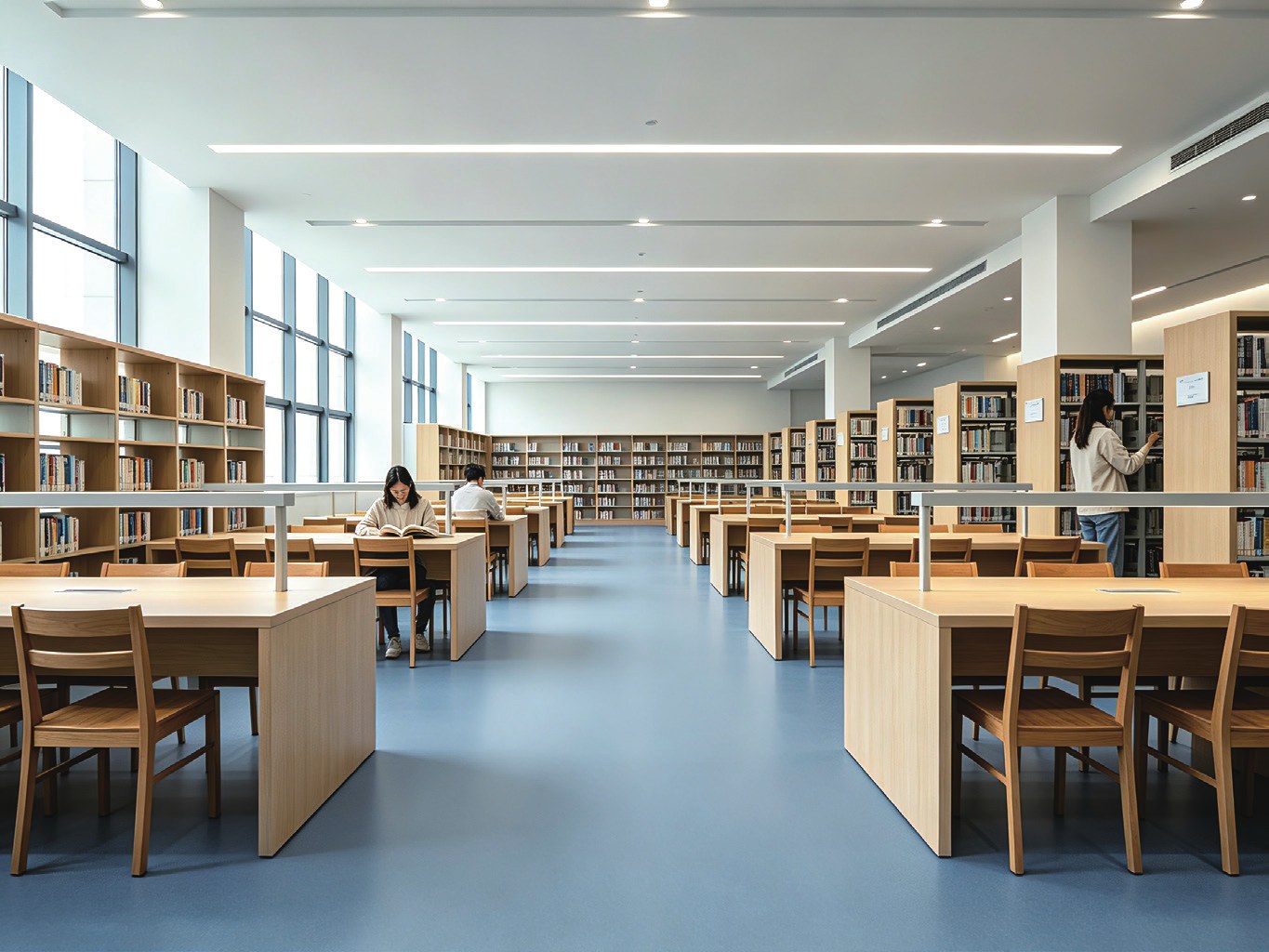
In environments where quiet, comfort and movement are central – such as libraries, hospitals, schools and sports facilities – different requirements apply than in heavy industrial environments. Here the design may need to take into account:
TF is an elastic, crack-bridging system that provides good walking comfort and acoustics in this type of environment.
See Customer Cases for Libraries, Hospitals and Sports FacilitiesUQESH's flooring systems are developed for different technical needs.
Fill in the details above to see the recommended system.
This recommendation is guidance only, based on UQESH's standard systems. Contact UQESH's technical department for a project-specific assessment.
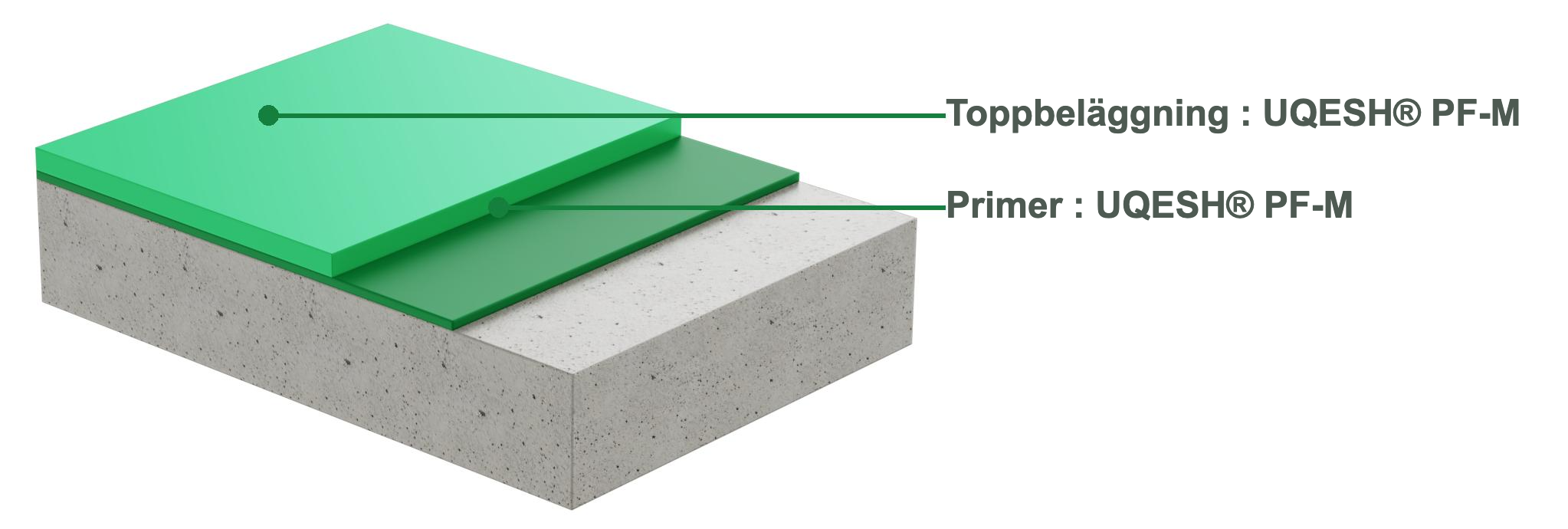
For environments requiring a level, hard-wearing and easy-to-clean surface.
See UQESH® PF
For surfaces with high mechanical load, heavy traffic and intensive use.
See UQESH® IF
For environments where temperature variation, hot water and slip safety are important parameters.
See UQESH® PF Plus
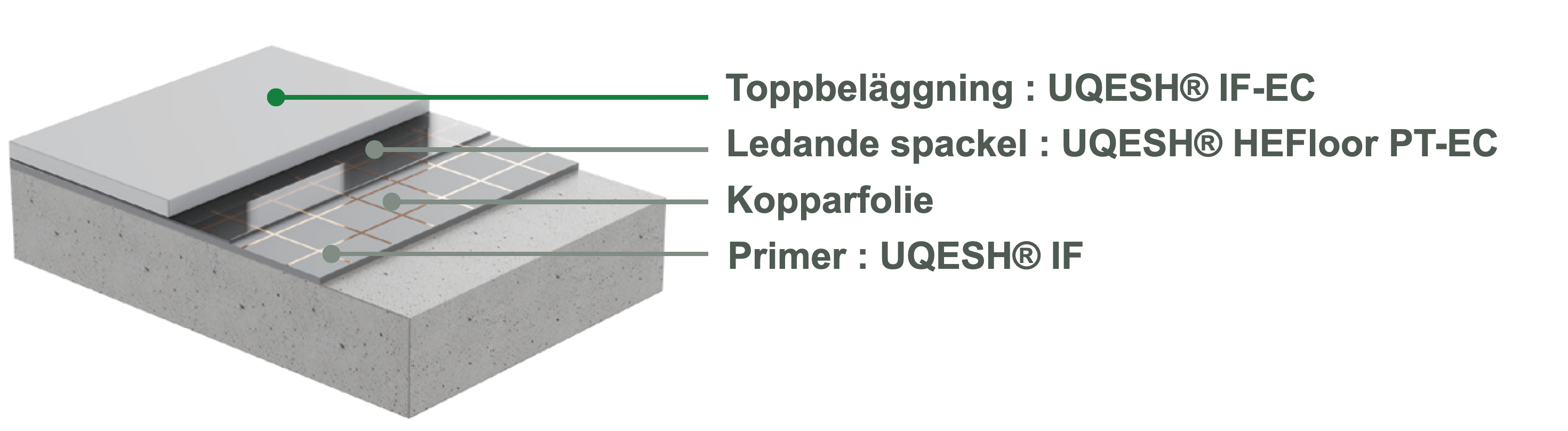
For environments where controlling static electricity and electrical dissipation is part of the requirements.
See UQESH® IF-EC
For substrates where movement and cracking need to be managed with a more flexible system.
See UQESH® TF
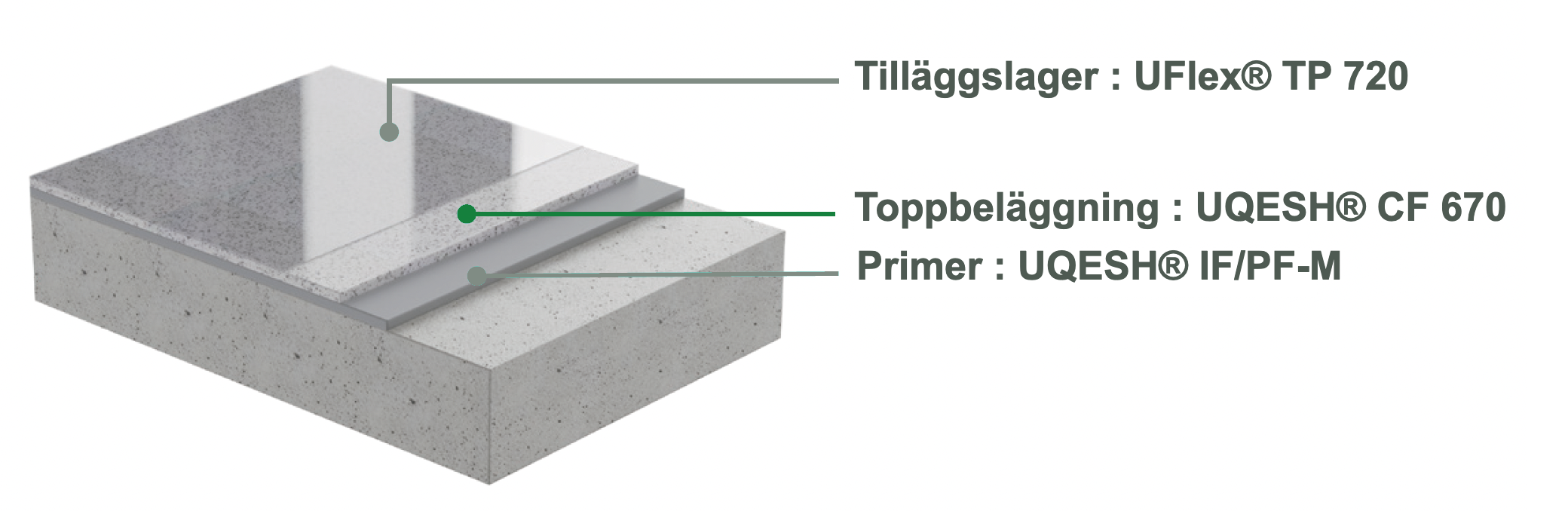
For hard-wearing surfaces where both function and visual zoning matter.
See UQESH® CF
For projects where a thinner coating is suitable and the substrate already has the right conditions.
See UQESH® TAPA long-lasting floor doesn't start with the installation itself. It starts with the right specification. That's why we're happy to help already at the design stage with:
For more complex projects, we review the conditions together and identify which requirements are decisive for the choice of system.
As a specifier, you need to be able to specify the product while also having access to relevant documentation. We provide technical data for our products and systems, including information on, for example:
This documentation makes it easier to compare a project's requirements with the proposed flooring solution.
We hold more than 10 verified certifications – see the image below for more information. In addition, we have relevant environmental and product assessments, such as EPD (Environmental Product Declaration) and BVB (the Swedish Building Materials Assessment).
Quality Management System Certification
Environmental Management System Certification
Hazard Analysis and Critical Control Points
Good Manufacturing Practice
CE Marking (Conformité Européenne)
Registration, Evaluation, Authorization and Restriction of Chemicals – Substances of Very High Concern
Leadership in Energy and Environmental Design
HALAL Certification
European Hygienic Engineering & Design Group
French Indoor Environmental
Cleanroom Suitable Materials Certification
Byggvarubedömningen (BVB)
The PF system is developed for heavy industry, food environments and demanding indoor spaces. The system's emissions reports meet the requirements for “Recommended” as well as the highest environmental class, French A+.
| French A+ (threshold) | UQESH® result | |
|---|---|---|
| TVOC emissions (28 days) | 1 000 µg/m³ | 31 µg/m³ |
| Formaldehyde | < 60 µg/m³ | Not detectable |
| Acetaldehyde | – | Not detectable |
| CMR substances (category 1A/1B) | < 1 µg/m³ | Not detectable |
| Component | BVB ID | Assessment |
|---|---|---|
| UQESH® PF PART A – waterborne polyurethane coating | 205793 | Accepted |
| UQESH® IF/PF PART B – hardener | 205794 | Avoided |
| UQESH® PF PART C – cement/filler | 205796 | Accepted |
| UQESH® PART D General – pigment | 205798 | Accepted |
The “Avoided” classification for Part B applies to the product in its delivered, uncured form – the hardener contains isocyanates that are technically necessary for the polyurethane reaction. When mixed with components A, C and D, the isocyanates are fully bound into an inert polymer matrix. Independent testing carried out by SGS (report CANPC26011809903, per ISO 10283:2007) confirms that no detectable levels of TDI or HDI remain in the cured matrix (< 0,01 % w/w). The finished floor surface therefore does not give rise to free isocyanates and does not constitute hazardous waste at demolition or removal – the classification is limited to the working environment during the application stage itself.
Send us your project's requirements, drawings or technical description and we'll help you identify a suitable UQESH system. We support you from specification through to a finished flooring solution.