Technical Comparison
Both polyurethane and epoxy are used as industrial floor coatings, but they differ in several critical respects – environmental impact, flexural strength, resistance to wear and impact, and resistance to ground moisture. Here we walk through the differences based on real test data, including full-scale wear and impact tests.
Quick Overview
| Property | Epoxy Flooring | UQESH Polyurethane Flooring |
|---|---|---|
| VOC Content | 60–600+ g/L depending on type | 2–10 g/L |
| Odour | Often strong odour during application | Odourless |
| Temperature Resistance | Often softens at just 50–60°C | Withstands high-temperature steam cleaning |
| Chemical Resistance | Varies between types | Excellent resistance to acids, oils and solvents |
| Impact Resistance | Can crack under heavy impact | Minimal marking, retained structure |
| Slip Resistance | Limited selection | Full range R9–R13 |
| Raw Material | Petroleum-based | Renewable castor oil |
In Detail
Traditional epoxy can contain organic solvents and often has a high VOC content – from 60–80 g/L for solvent-free variants up to 500–600+ g/L for solvent-based ones, often with a noticeable odour during application. UQESH's waterborne polyurethane system uses water as the dispersion medium instead of solvents, giving ultra-low VOC levels of 2–10 g/L and a completely odourless result. The binder is also based on renewable castor oil instead of petroleum-based raw materials.
Epoxy systems often soften at just 50–60°C and lack resistance to high temperatures or steam. UQESH uses a unique castor-oil polyol that exceeds the temperature resistance of traditional binders, making the system suitable for environments with daily high-temperature steam cleaning – such as commercial kitchens and food production.
UQESH's waterborne polyurethane resists erosion from most chemicals, with particularly good resistance to acetic acid, lactic acid, oleic acid, citric acid and other substances commonly found in the food industry. Read more about the full test results on our Why UQESH page.
Background
Epoxy is used across five major areas: industrial coatings (for example anti-corrosion coatings on bridges and other equipment), building floors in factories and other facilities, electronics and electrical engineering (including circuit boards), composite materials combined with fibre (for example in aircraft manufacturing), and as adhesives and binders.
Epoxy became the go-to choice for industrial flooring for a long time, for a few simple reasons: relatively low cost, a well-established and widely understood application process, a glossy, presentable surface, and basic protection against dust and moisture.
Limitations
At the same time, epoxy's limitations become increasingly apparent in tougher environments: outdoors it yellows and chalks easily, the material is brittle and cracks or delaminates relatively easily, it doesn't tolerate ground moisture particularly well, it softens at high temperatures and becomes brittle at low ones, and the vast majority of epoxy systems are solvent-based with high VOC emissions.
Flexural Strength
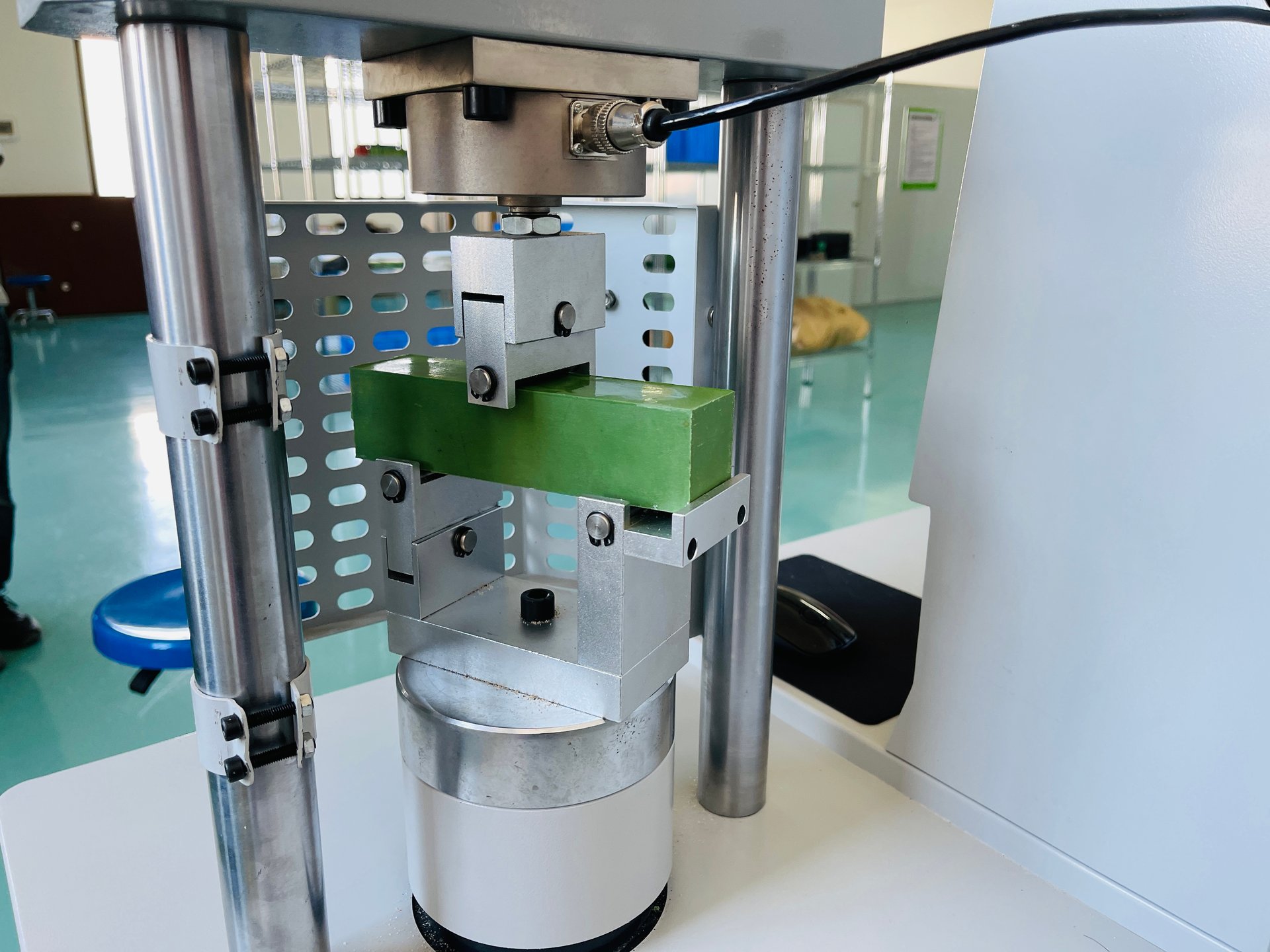
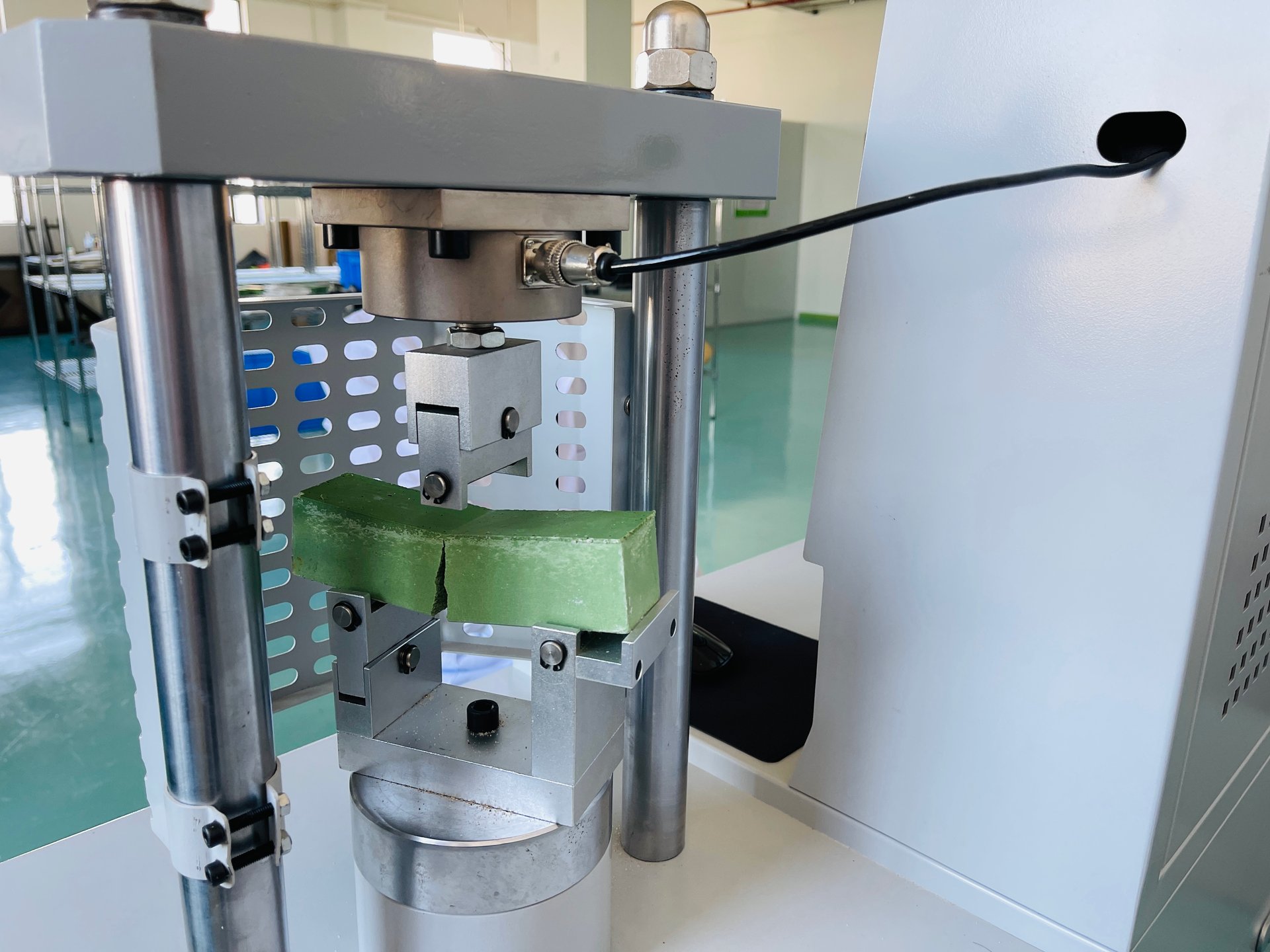
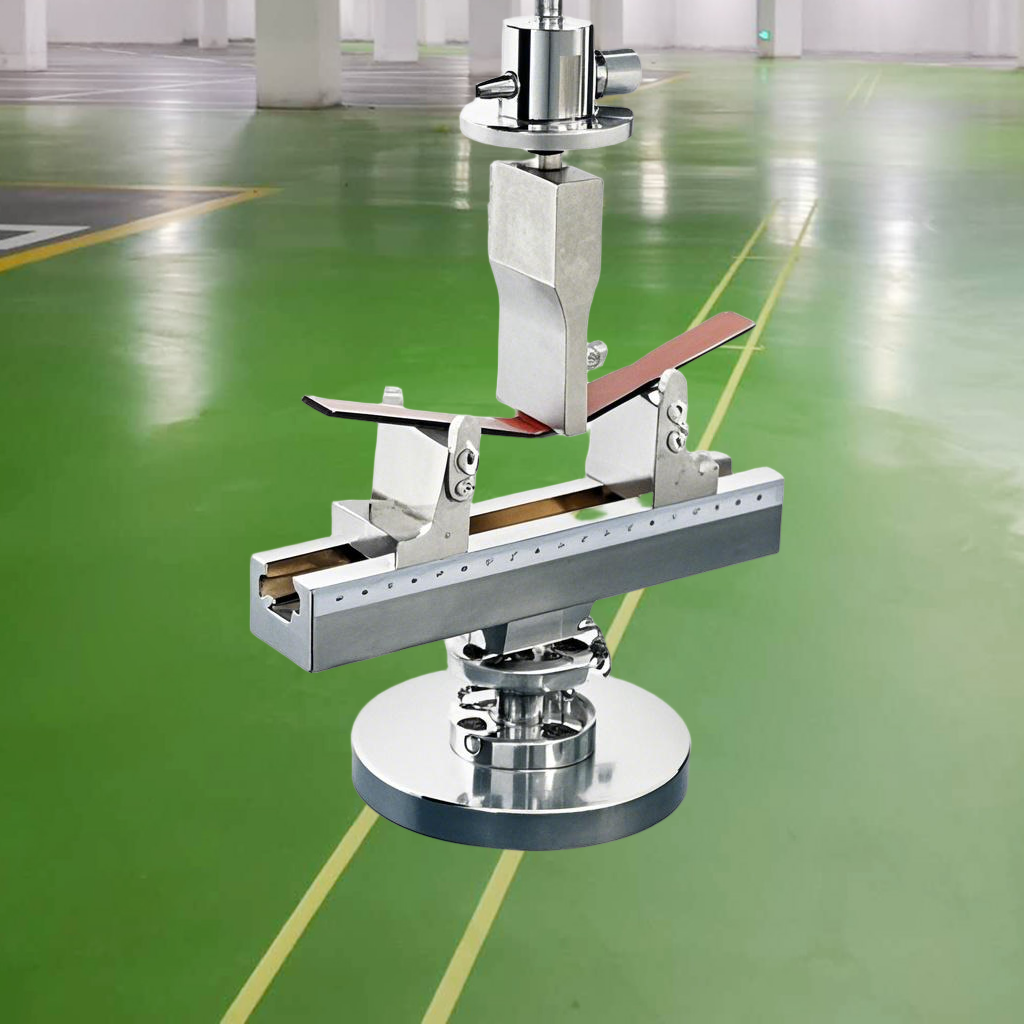
In a three-point bend test – where the test specimen is loaded symmetrically from three points until the breaking load is measured – UQESH's waterborne polyurethane achieves a flexural strength above 15 MPa with high toughness and low cracking tendency. Traditional epoxy achieves only around 6 MPa in the same type of test, with poorer toughness and a significantly higher risk of cracking.
Ground Moisture
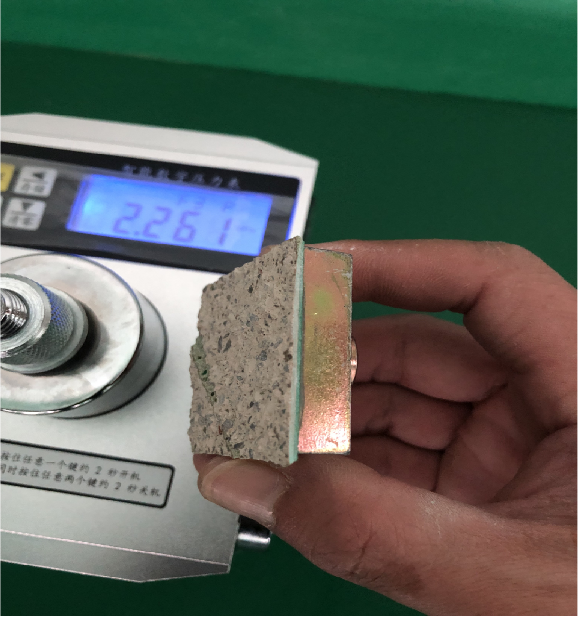
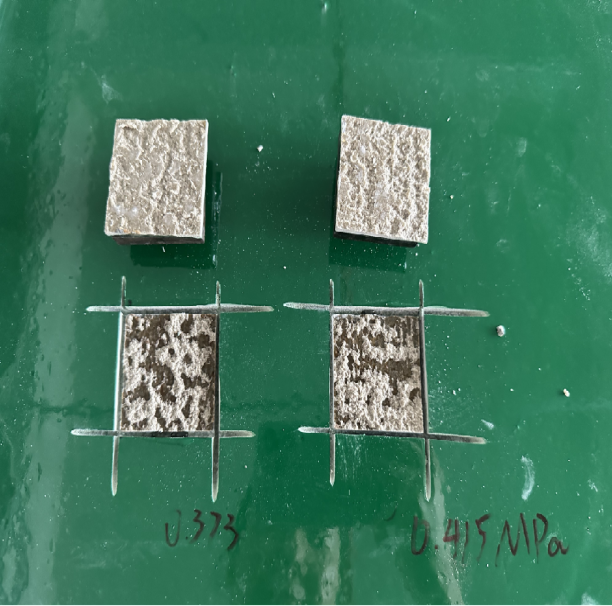
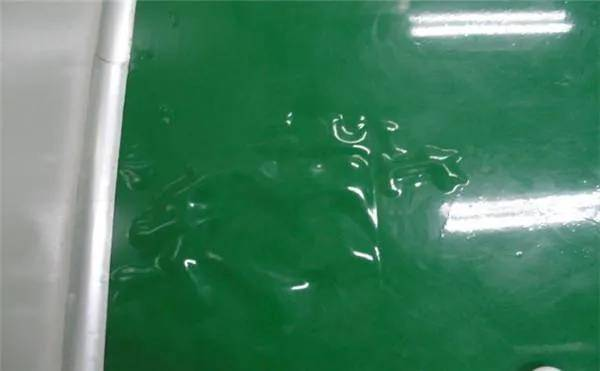
UQESH's waterborne polyurethane system has a bond strength to concrete exceeding 2.0 MPa – higher than the concrete substrate's own strength – compared with typical epoxy, which often falls below 1.0 MPa with failure at the interlayer boundary. The higher bond strength means the system better withstands ground moisture that would otherwise rise from below, while epoxy's higher stiffness and poorer toughness make it more susceptible to the compressive stresses that cause blistering and delamination once moisture does get in. See the full bond-strength data on our Why UQESH page.
Wear Test
UQESH's waterborne polyurethane system has a segmented structure of hard and soft blocks, giving high hardness combined with high toughness and good elasticity – properties that help the system better withstand sliding motion and impact wear by spreading, absorbing and releasing the load energy.
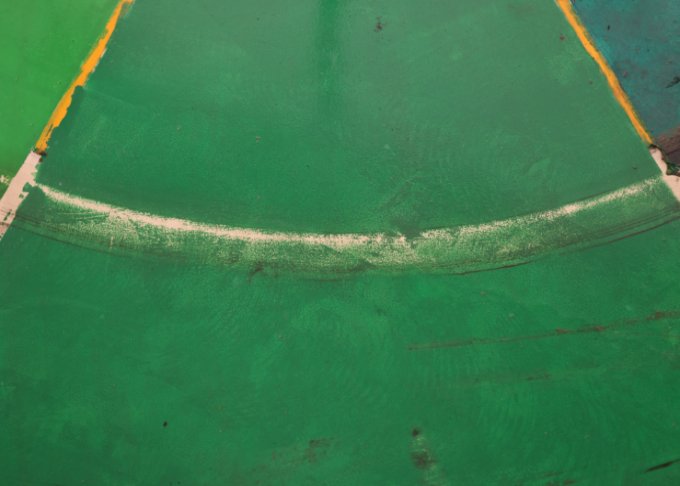
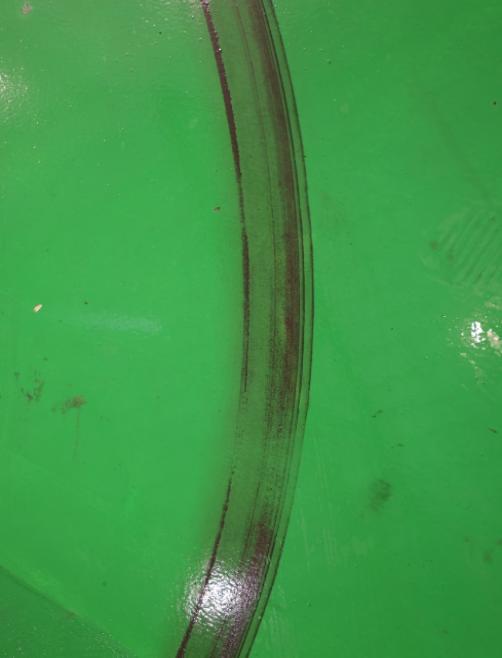
The test was run with a 3-tonne electric forklift, one lap every 1.5 minutes, 10 hours of operation per day over 80 days – a total of 32,000 passes. Conclusion: the wear resistance of the two-component polyurethane system (UQESH) is significantly higher than that of epoxy.
Impact Test
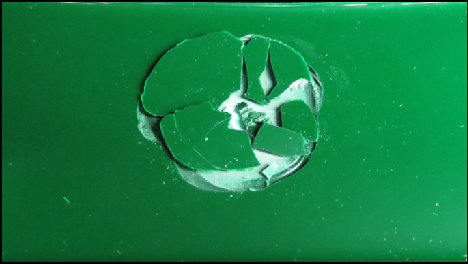
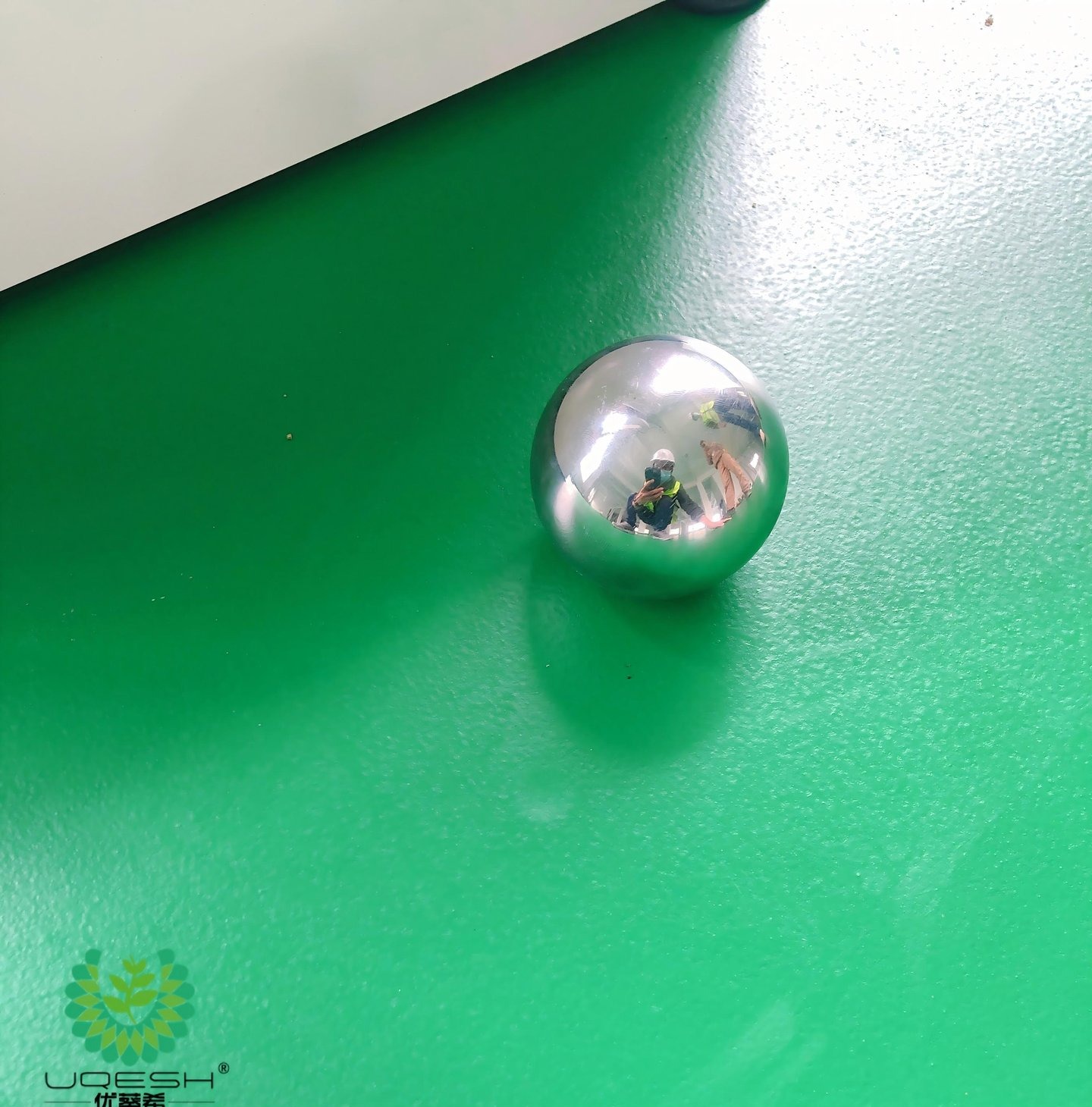
In a drop test with a 1 kg steel ball, on a concrete substrate meeting the test conditions, UQESH's system (PF 1.5 mm + TAP 750) withstood 70 drops from 1 metre and 10 drops from 2 metres without a single crack or sign of damage. A commonly used epoxy system on the market cracks and sustains damage after just 3 drops from 1 metre, and after only 1 drop from 2 metres.
Source
The tests above are compiled from UQESH's internal product testing. A summary document with all measurements and test results is available to download here:
FAQ
They differ mainly in VOC content, odour and temperature resistance. UQESH's waterborne polyurethane system has significantly lower VOC content (2–10 g/L compared to 60–600+ g/L for epoxy), is odourless and withstands higher temperatures and steam environments better than traditional epoxy.
Yes. UQESH's system uses water as the dispersion medium instead of organic solvents, giving ultra-low VOC emissions. The binder is also based on renewable castor oil instead of petroleum-based raw materials.
Yes. Epoxy systems often soften at just 50–60°C. UQESH's castor-oil-based polyurethane is specifically engineered to withstand environments with high-temperature steam cleaning, such as commercial kitchens and food production.
Yes. In drop tests with a 1 kg steel ball, UQESH's system withstood 70 drops from 1 metre and 10 drops from 2 metres without damage, while a typical epoxy system cracks after just 3 drops from 1 metre and 1 drop from 2 metres.
Yes. In an 80-day wear test with a 3-tonne electric forklift (32,000 passes in total), UQESH's two-component polyurethane system showed significantly higher wear resistance than epoxy.
Explore deeper comparisons and test results, or find the UQESH system that fits your project.