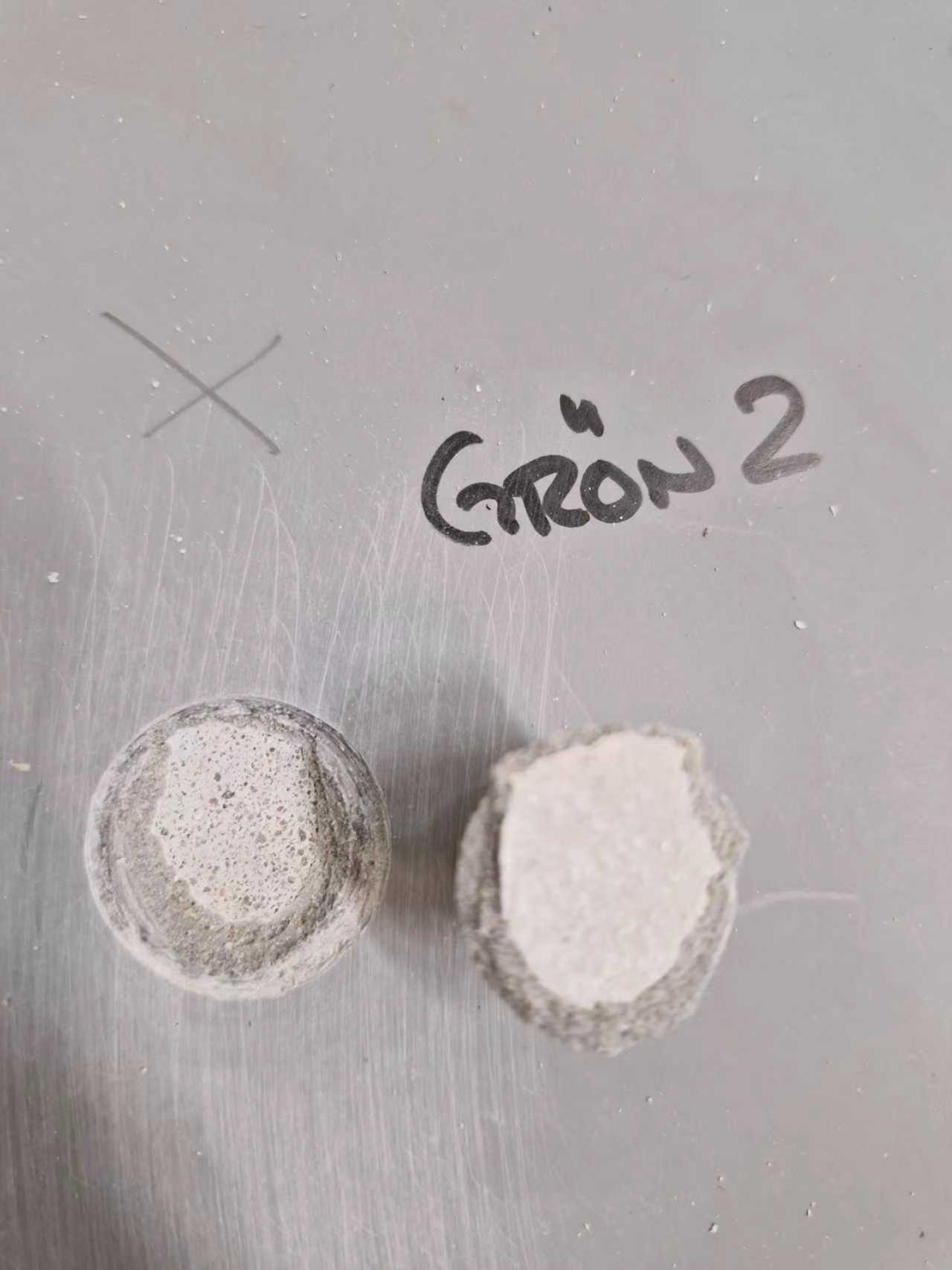
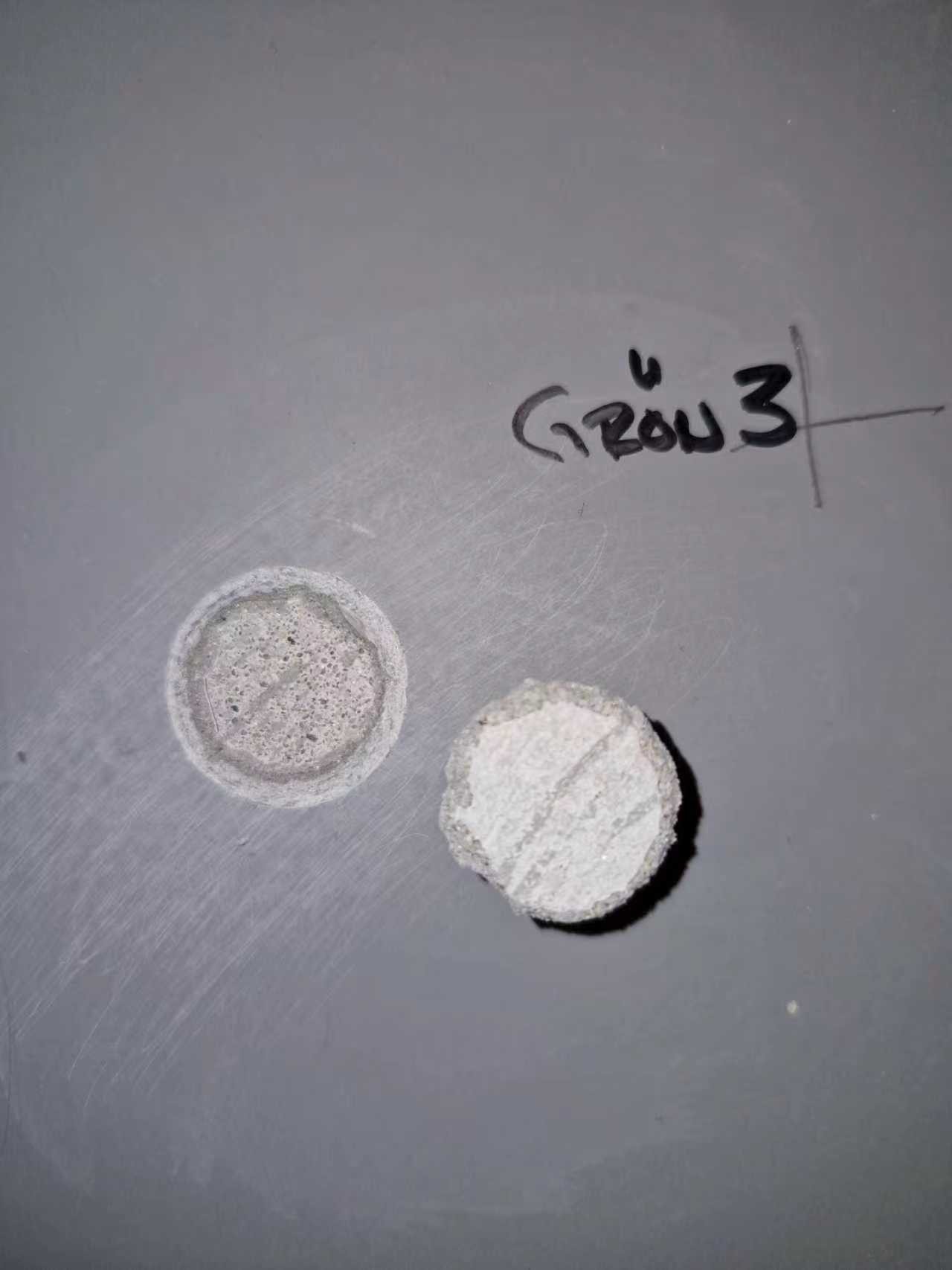
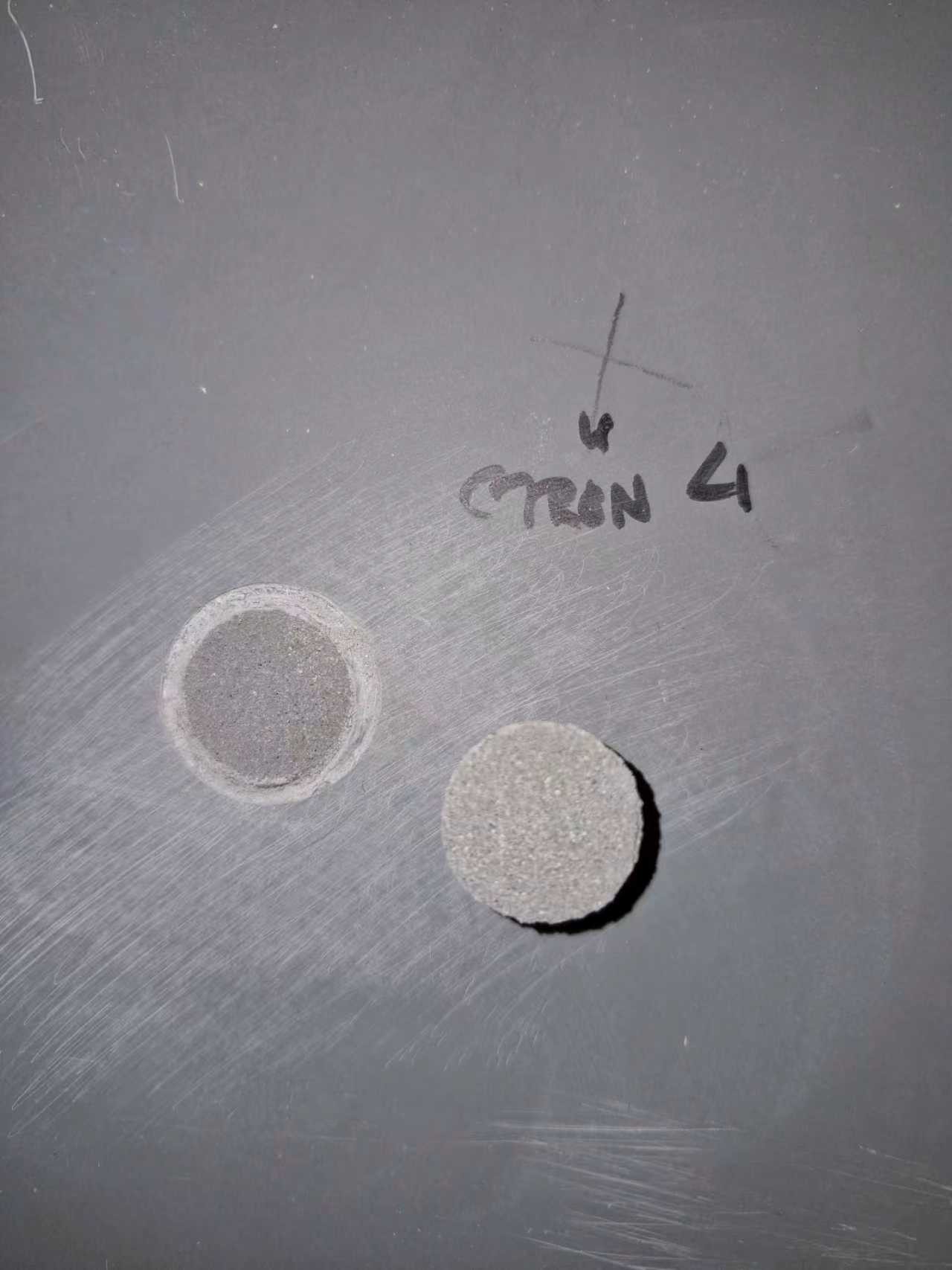
An independent pull-off adhesion test (known as a dolly test) carried out by our Swedish distributor Stillströms Industrifärg shows that UQESH's floor system has adhesion that, in practice, exceeds the strength of the concrete substrate itself.
Adhesion — how firmly a floor system bonds to its substrate — is one of the hardest properties to judge by eye, yet it determines whether a floor holds together under heavy loads, thermal movement and years of daily operation. On 2 February 2026, Stillströms Industrifärg — UQESH's official distributor in Sweden with 30 years of experience in industrial paint — carried out an independent pull-off adhesion test on a UQESH floor in a warehouse in Eskilstuna. The results and the original report are presented in full below.
The Method
A dolly test (a pull-off adhesion test, following the principle set out in ISO 4624 / ASTM D4541) works like this: a small metal cylinder — a "dolly" — is glued directly onto the cured floor surface with a strong two-component epoxy adhesive. Once the adhesive has cured, the dolly is cut free from the surrounding surface and then pulled straight up with a calibrated measuring instrument — in this case an Elcometer 506. The force required to detach the dolly, converted to pressure per unit area (MPa), is the floor system's measured adhesion strength.
What makes the test particularly informative is where the failure occurs. If the dolly separates right at the glue joint against the dolly, the test hasn't measured the floor's own strength — only the adhesive's. But if the failure instead occurs down in the concrete substrate itself, it means the entire floor system's adhesion is stronger than the concrete's own strength — in other words, the floor is not the weak link.
Test Setup
| Test Location | Eskilstuna store, U warehouse |
| Date | 2026-02-02 |
| Existing Substrate | Concrete |
| Surface Preparation | Washed and ground |
| Primer | UQESH® IF, 1 mm, dark grey |
| Topcoat | UQESH® PF, 2 mm, dark grey |
| Measuring Equipment | Elcometer 506 |
| Dolly | 20 mm |
| Adhesive | Two-component epoxy |
| Test Conducted By | Lelle Björklund, Stillströms Industrifärg |
Results
The test was carried out in two separate fields on the same floor, labelled "Gul" and "Grön" (Swedish for yellow and green), with four pull-off tests in each.
| Test Point | Result (MPa) | Failure Type |
|---|---|---|
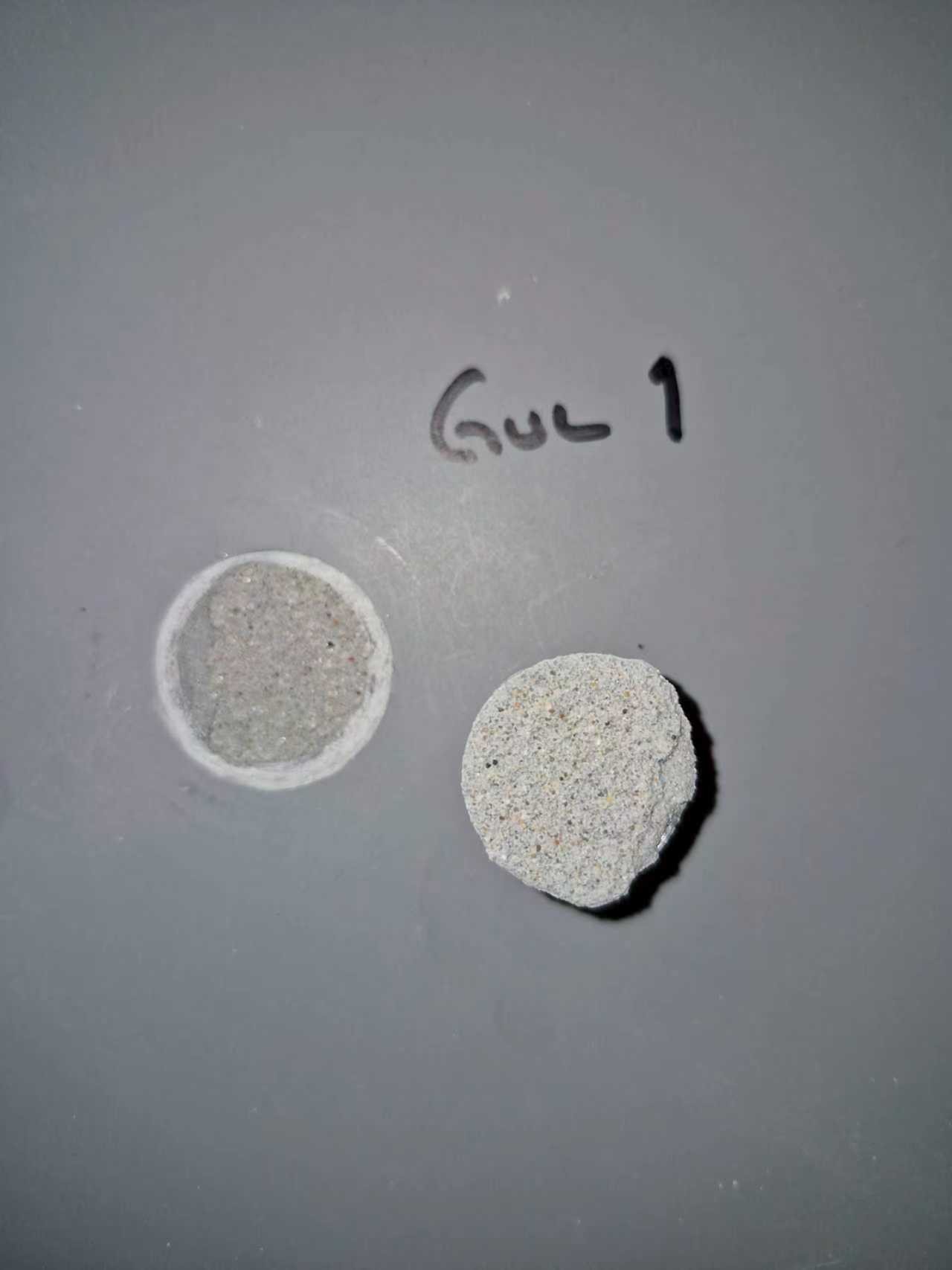
| Gul 1 | 6.38 | 90% in the concrete, 10% at the interface with the floor |
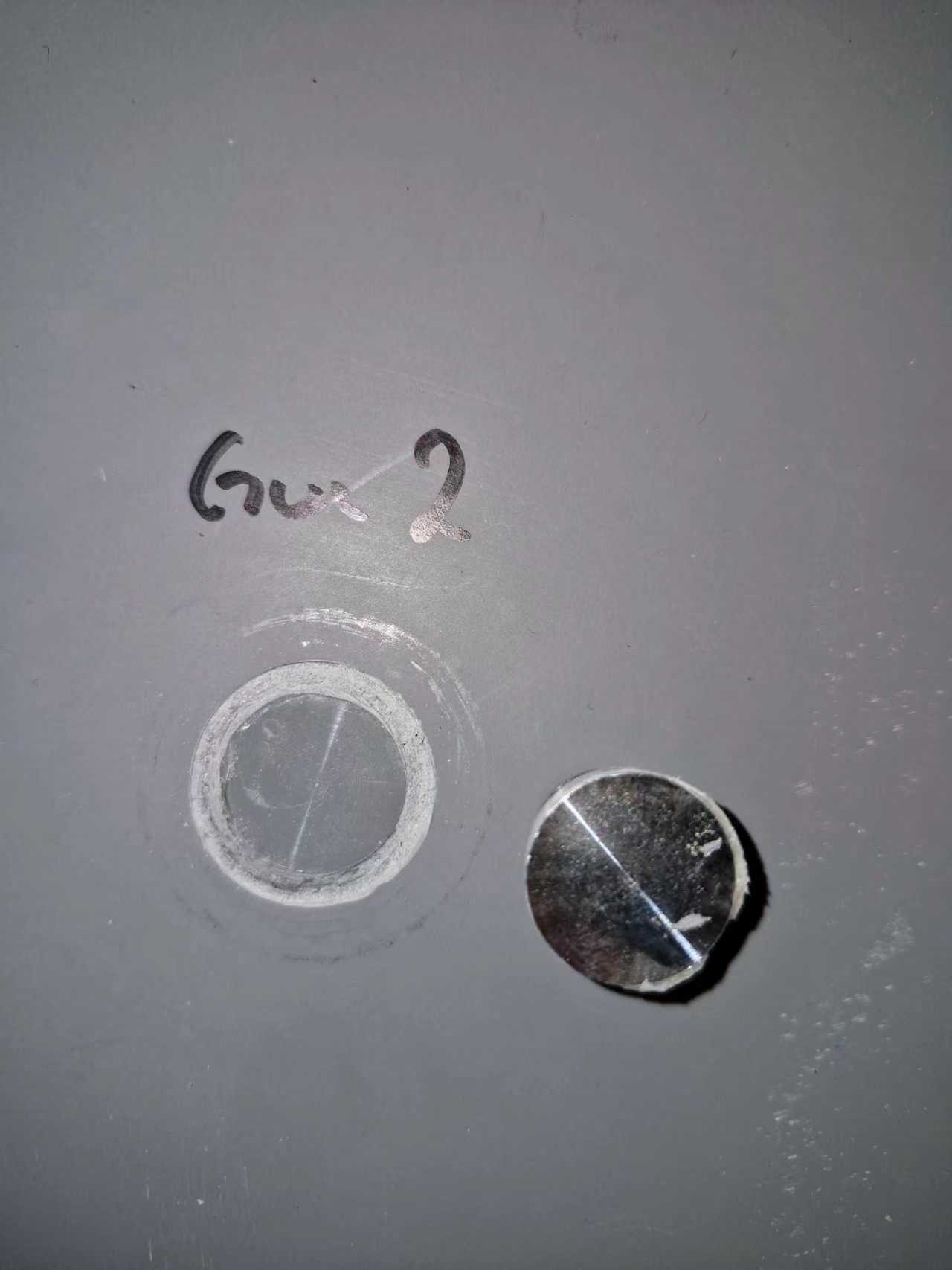
| Gul 2 | 5.85 | 100% adhesive failure (see note below) |
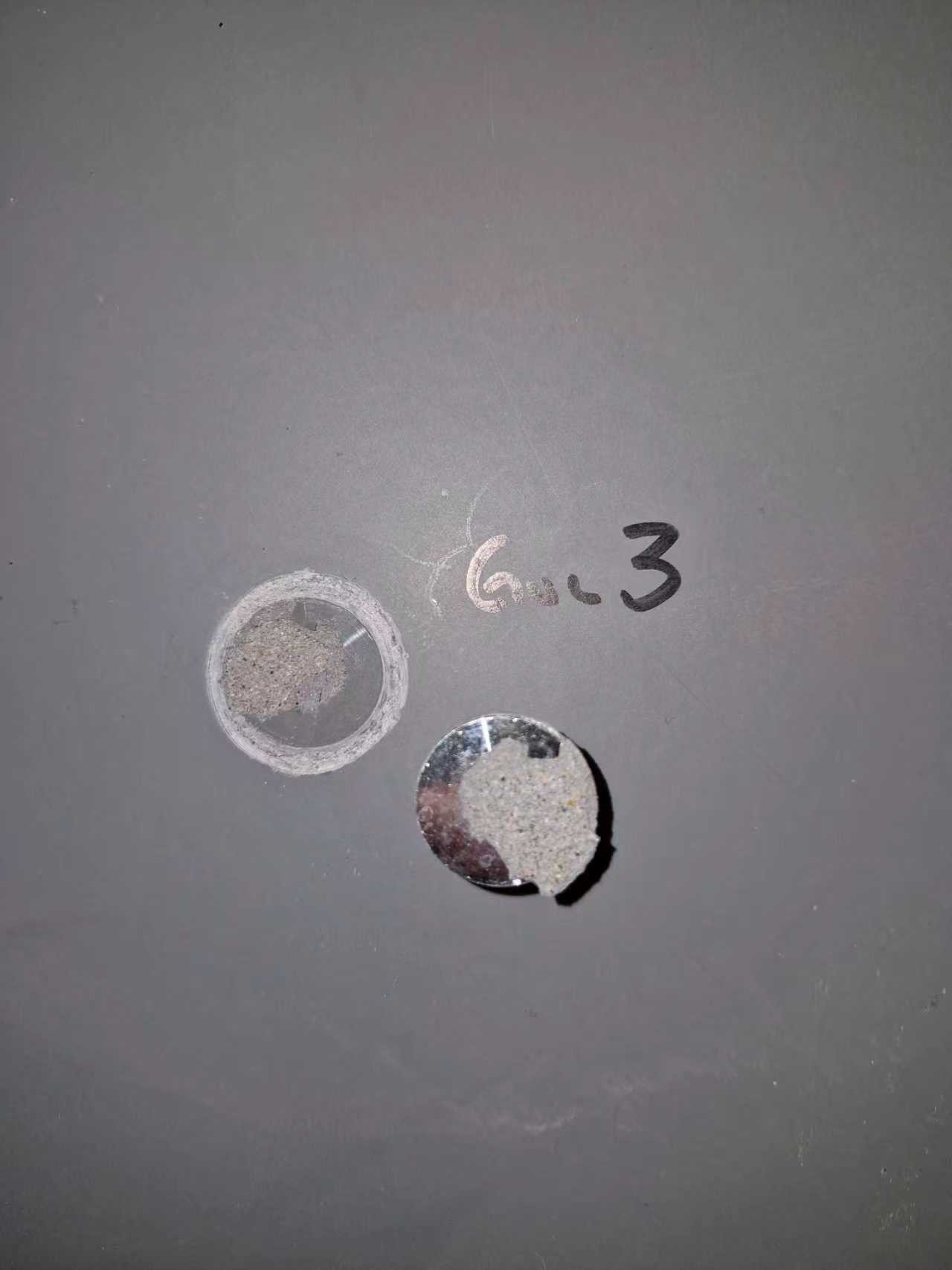
| Gul 3 | 5.26 | 40% adhesive failure, 60% in the concrete |
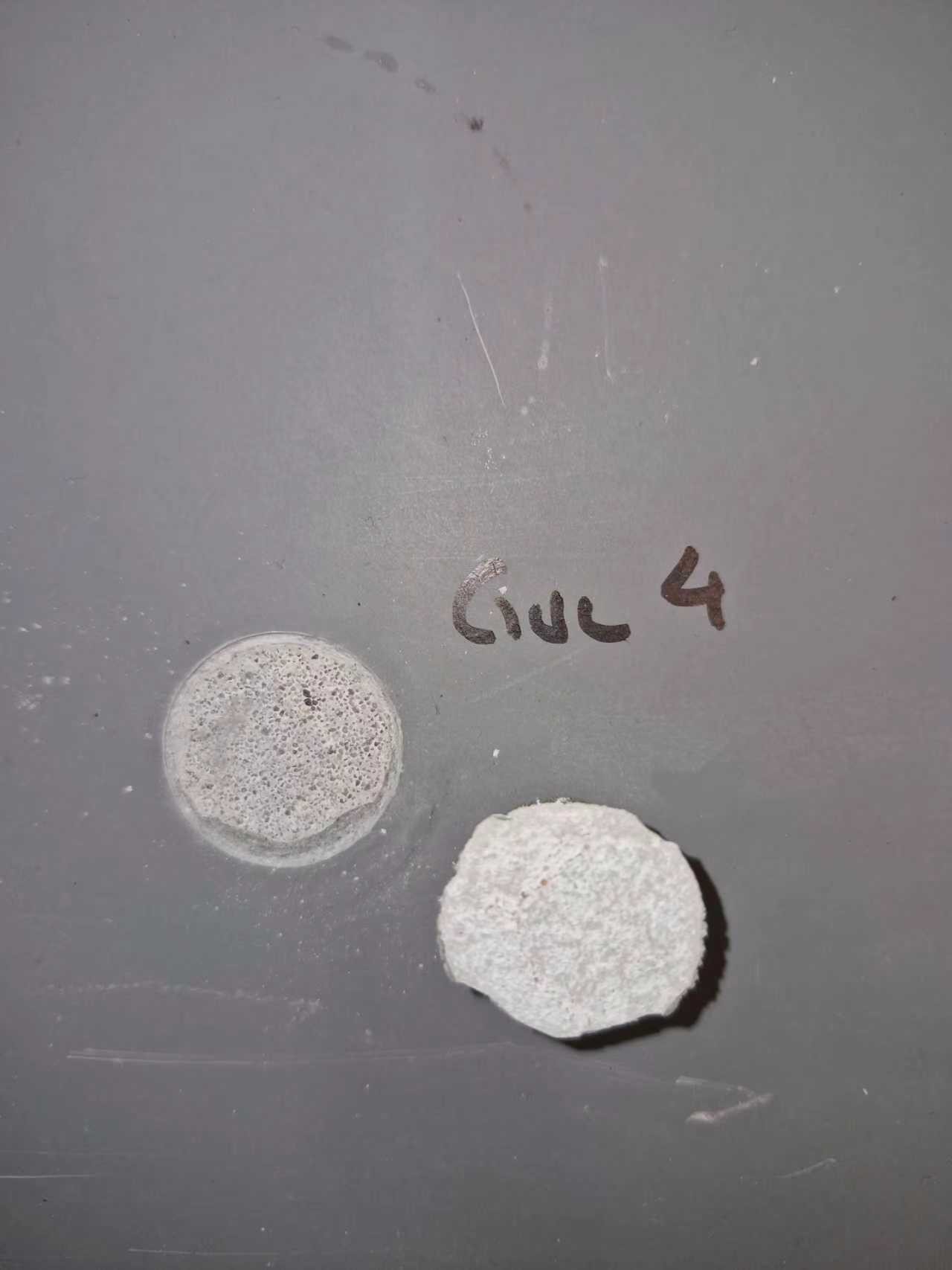
| Gul 4 | 6.45 | 100% in the concrete |
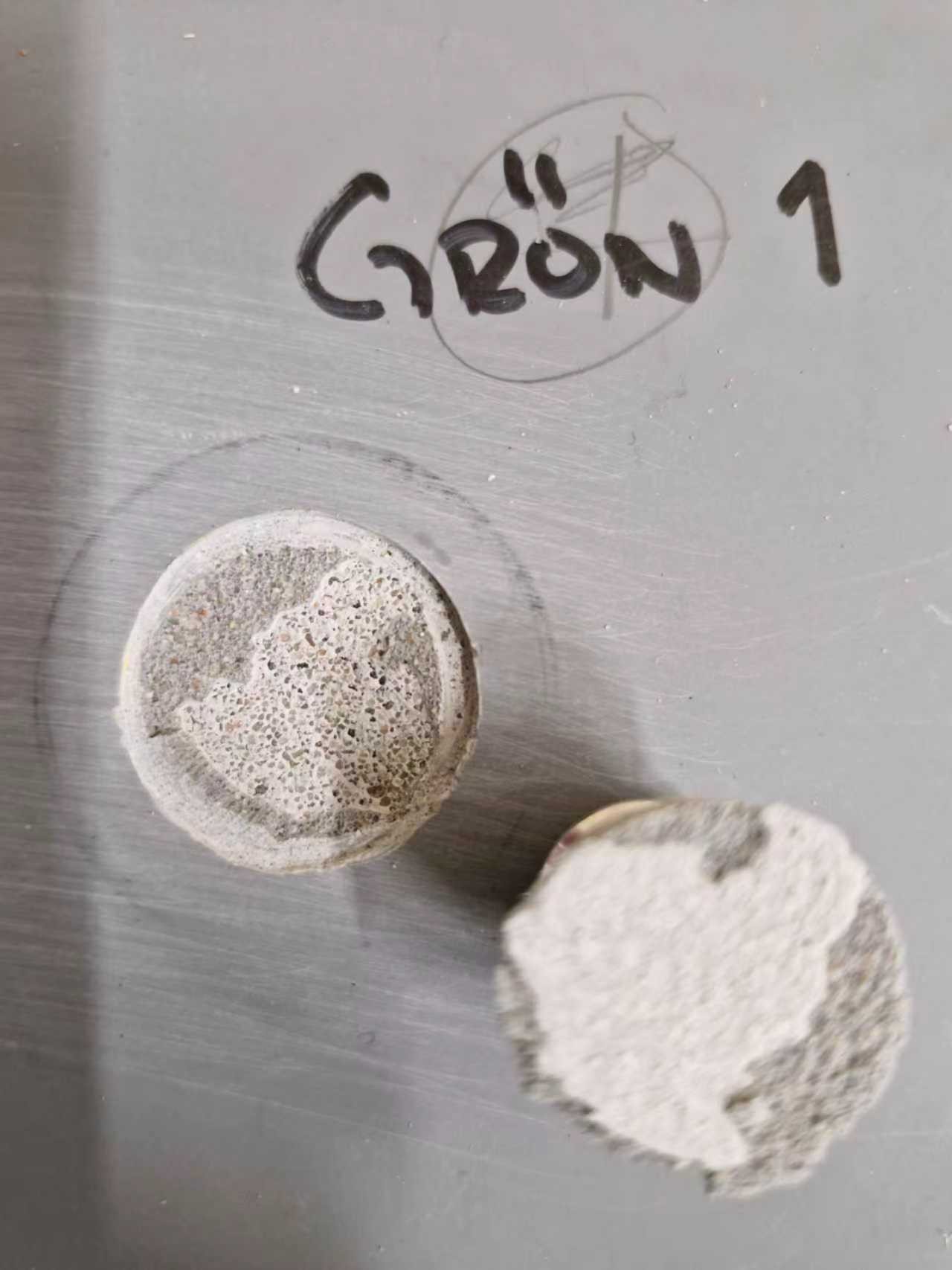
| Grön 1 | 6.05 | 100% in the concrete |
| Grön 2 | 5.63 | 100% in the concrete |
| Grön 3 | 3.54 | 90% in the concrete, 10% at the interface with the floor |
| Grön 4 | 4.56 | 100% in the concrete |
In 6 of the 8 measurement points, the failure occurred almost exclusively in the concrete itself — not in the UQESH floor or at the interface between the floor and the substrate. The highest measured value was 6.45 MPa, which is extremely high: the industry's usual requirement for industrial floors is often considerably lower, around 1.5–2.0 MPa.
About the two "adhesive failure" results: At test point Gul 2 (and partly Gul 3), the dolly separated at the glue joint against the measuring equipment before the floor or concrete had been loaded to failure. This is a known methodological error in pull-off testing and says nothing about the floor's own adhesion — it simply means that particular test didn't produce a usable measurement for the floor. We report it openly here because it's part of giving a complete and honest picture of the test.
Photo Evidence
All 8 test points, in the same order as the table above. The pulled-off dolly (right in each photo) and the hole it left behind (left) — both show exposed concrete with visible aggregate, not floor coating, at every test point except Gul 2.
Source
The test was carried out and documented by Stillströms Industrifärg, UQESH's official distributor in Sweden. The full signed original report, including all measured values and failure codes, is available to download here:
Explore our floor systems or contact our technical team for an assessment of your project.